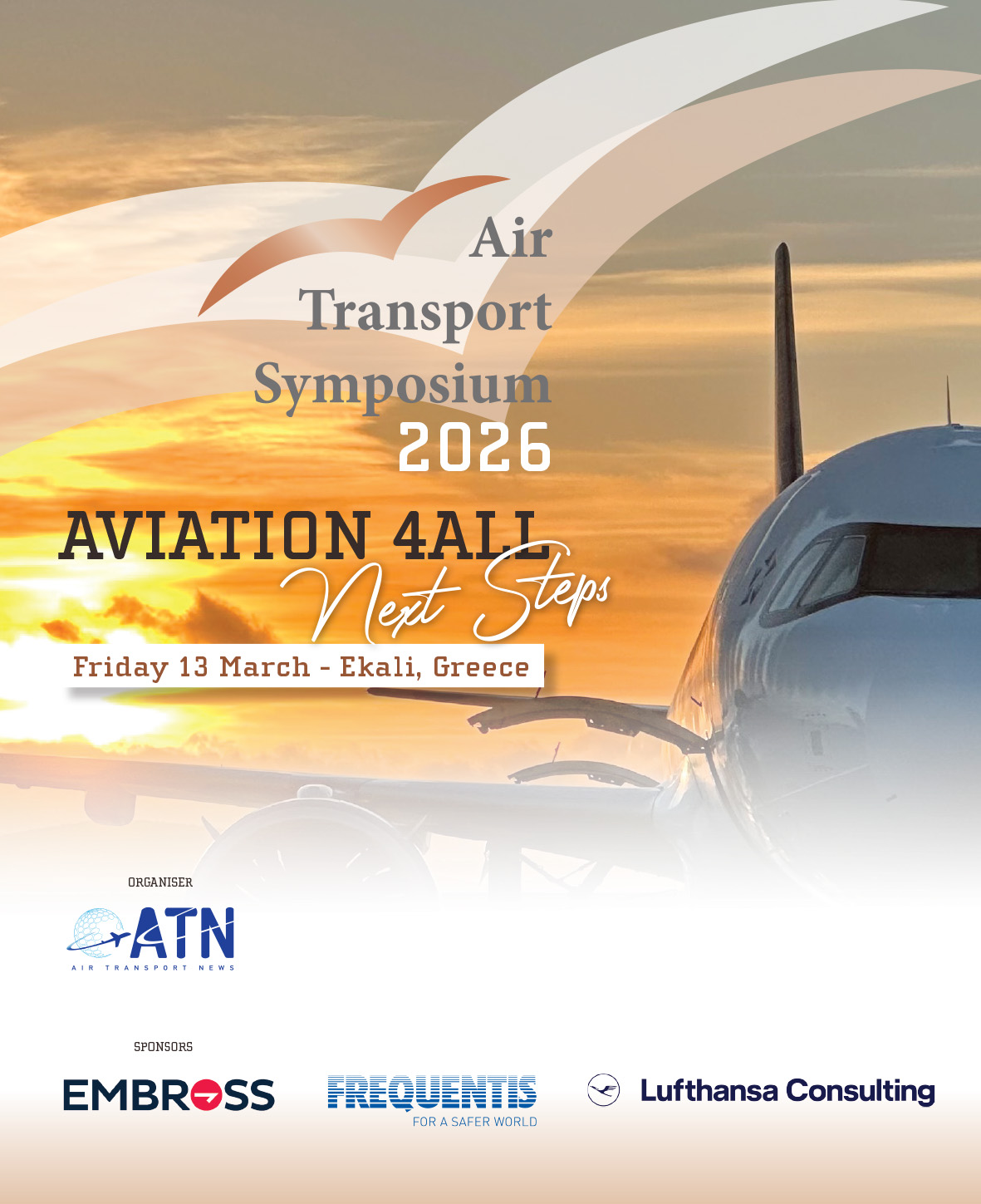
AVIATION4ALL – NEXT STEPS

13 March 2026     Ekali – Greece

15:45 Welcome addresses

Dr Kostas Iatrou, Director General, Hermes – Air Transport Organisation

Dr Christos Tsitouras, Governor, HCAA

15:50 Keynote Address

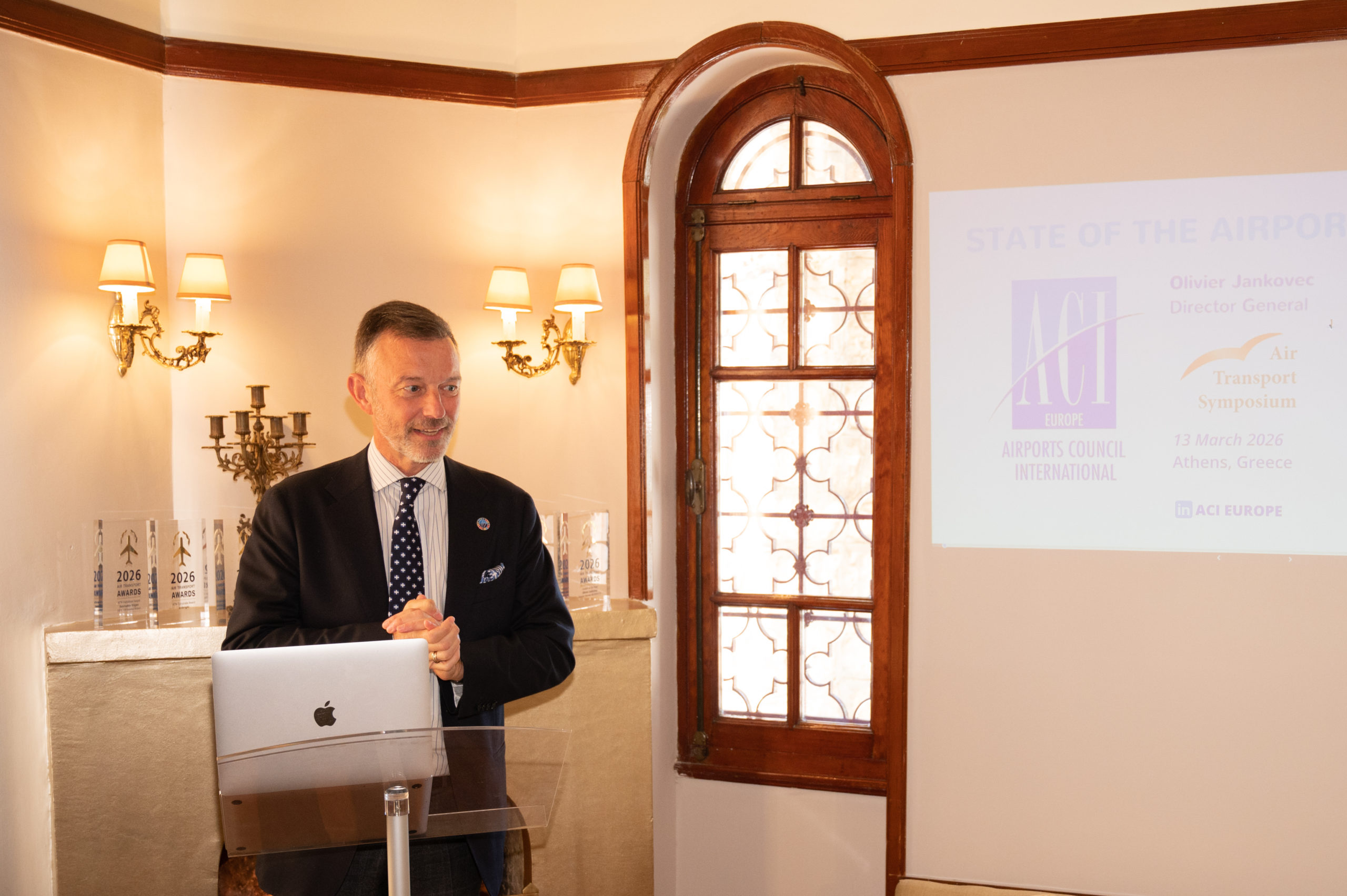
Olivier Jankovec, Director General, ACI EUROPE

16:00 2026 Air Transport Awards ceremony

16:50 Master in Air Transport Business Administration (MATBA) Presentation 

Dr Kostas Iatrou, Director General, Hermes – Air Transport Organisation

Anargyros Ziakas, Administration Officer, MATBA

17:00 Session 1 

Moderator: Ilias Maragkakis, Associate Partner, Lufthansa Consulting

-Selahattin Bilgen, CEO,  iGA Istanbul Airport

-George Kallimasias, Managing Director (CEO), Athens International Airport

-Jean-Luc Rauline, COO, EMBROSS

-Ahmet Bağdat, CMO, Pegasus Airlines

18:15 Session 2

Moderator: Ilias Maragkakis, Associate Partner, Lufthansa Consulting

-Faye Malarkey Black, President & CEO, Regional Airline Association

-Angelos Astrinidis, CEO, aviBright

-Michael J. Bell, Senior Client Partner Aviation & Aerospace Practice, Korn Ferry

-William Ast, Vice President, Embraer Commercial Aviation

19:30 Gala dinner reception & party
.

ORGANISER

.

SPONSORS

.

.

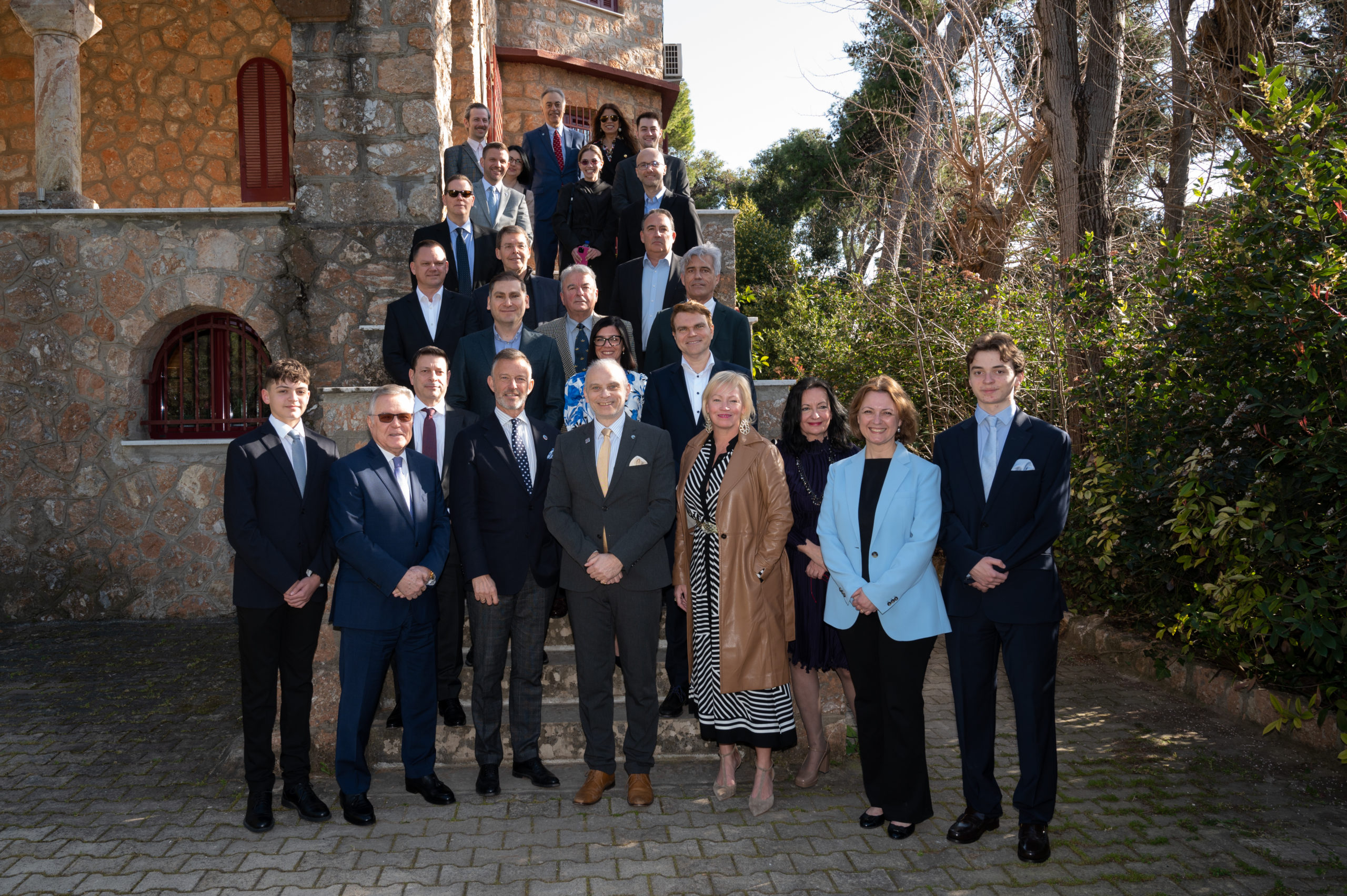
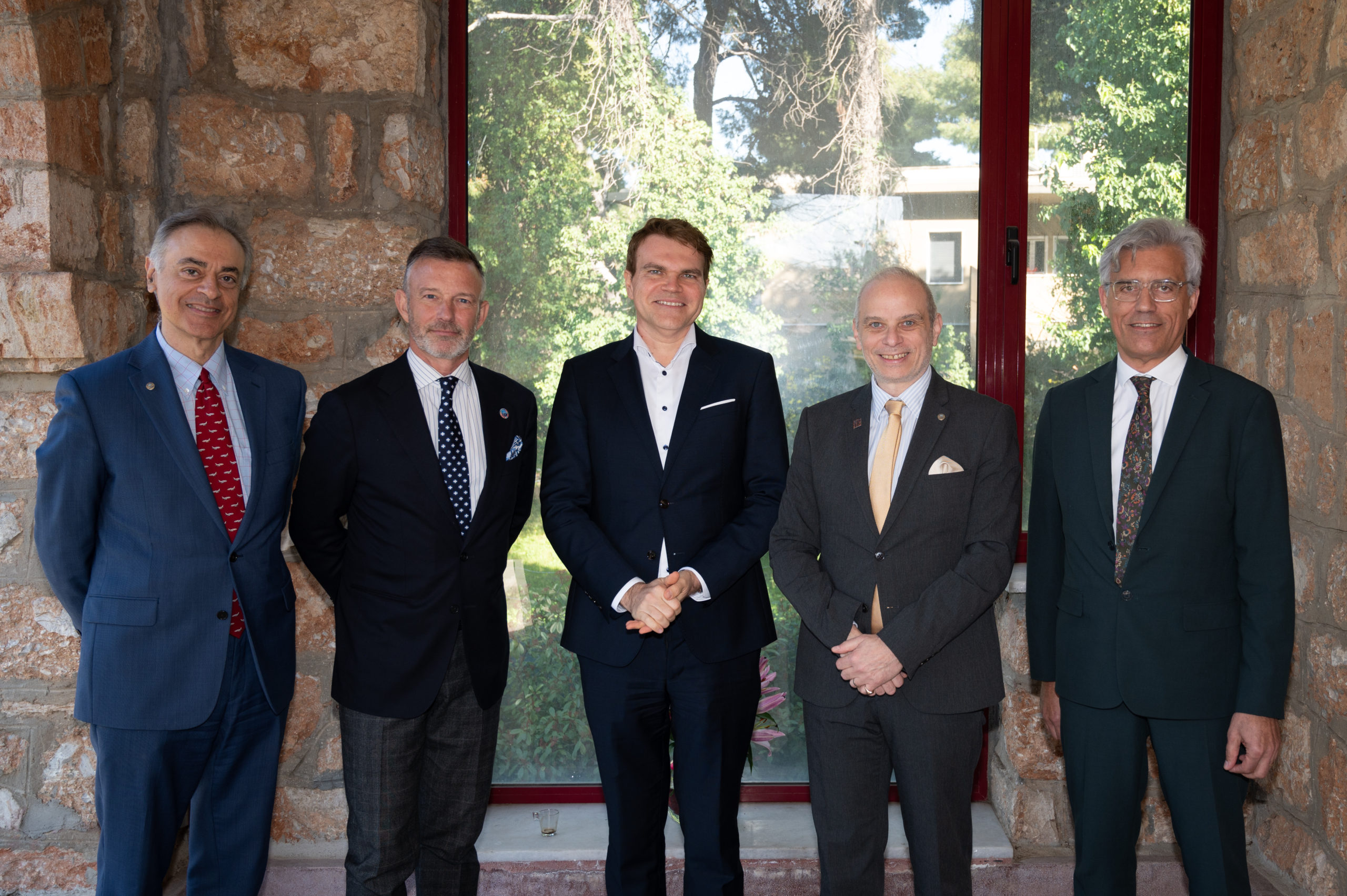
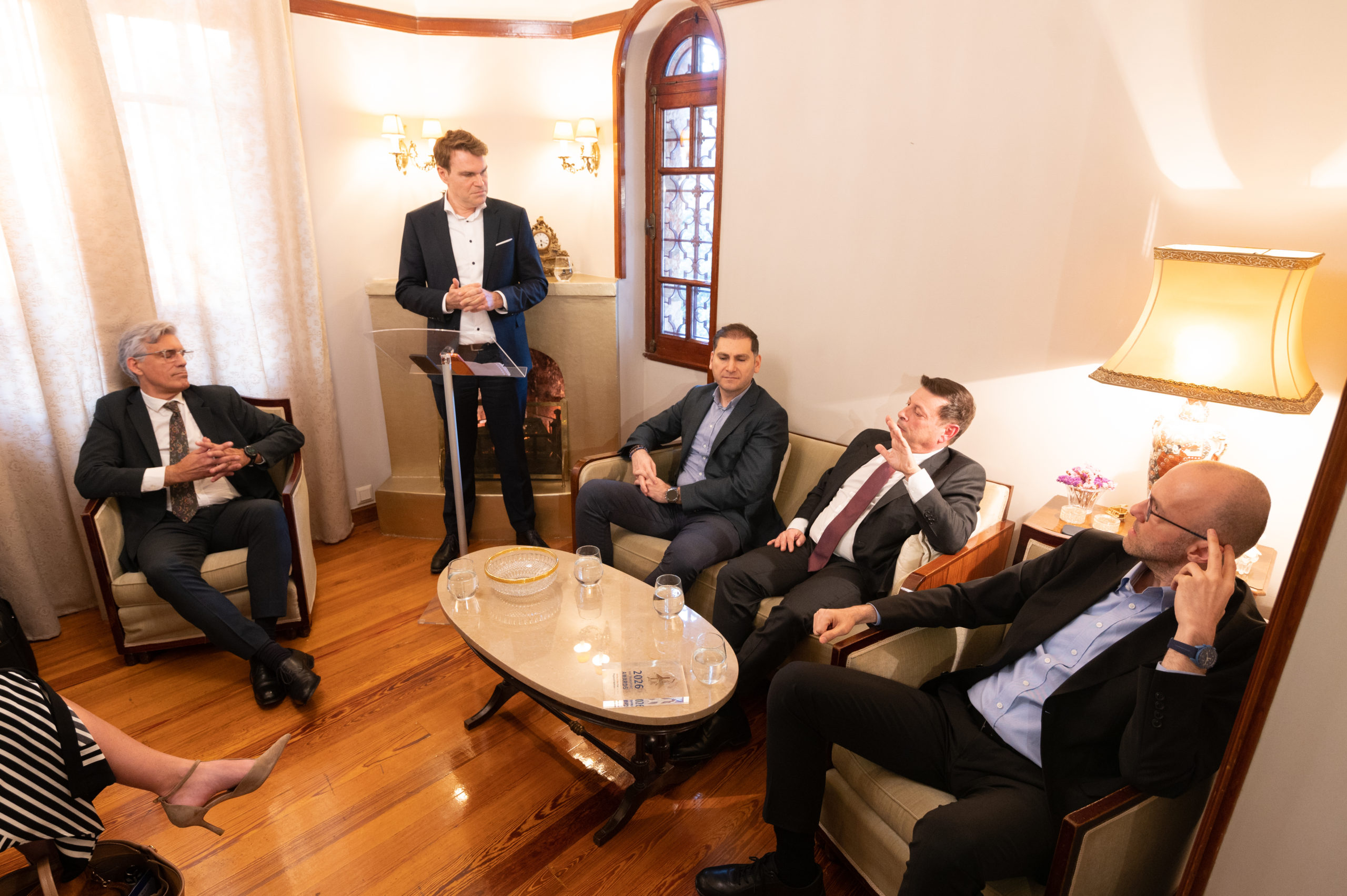
The 2026 Air Transport Symposium on Aviation4All –Next steps took place on 13th March 2026 in Ekali, Greece. Aviation4All proudly represents aviation 60 organisations and companies. 
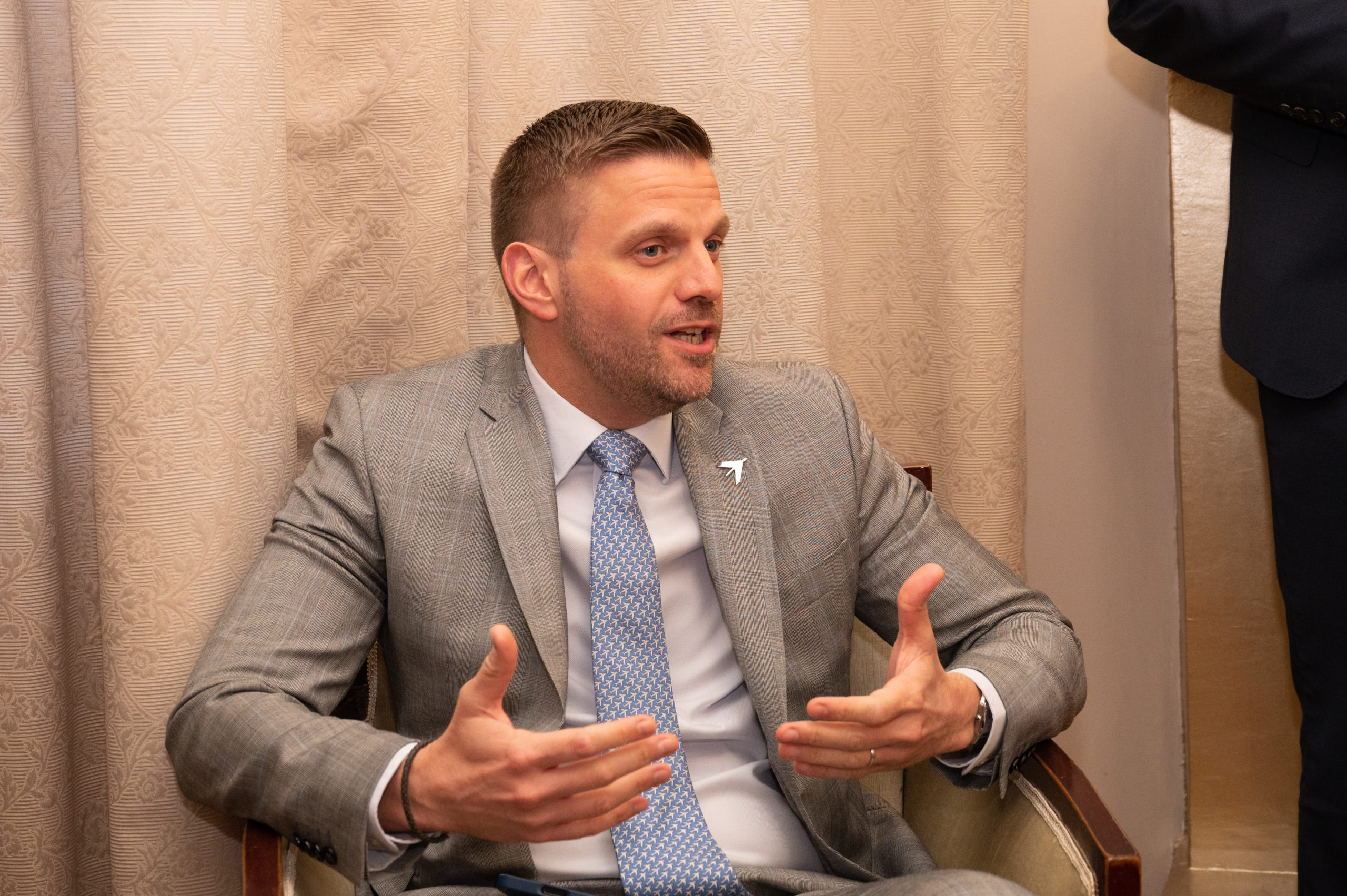
Dr Christos Tsitouras, Governor, HCAA, in his welcome address pointed how recent developments in the wider region have reminded the aviation community how fragile stability can be. In such periods of uncertainty maturity and leadership are needed. Industry leaders, institutions and decision makers must through trust and cooperation move one step further to a more connected resilient and forward thinking aviation sector.  

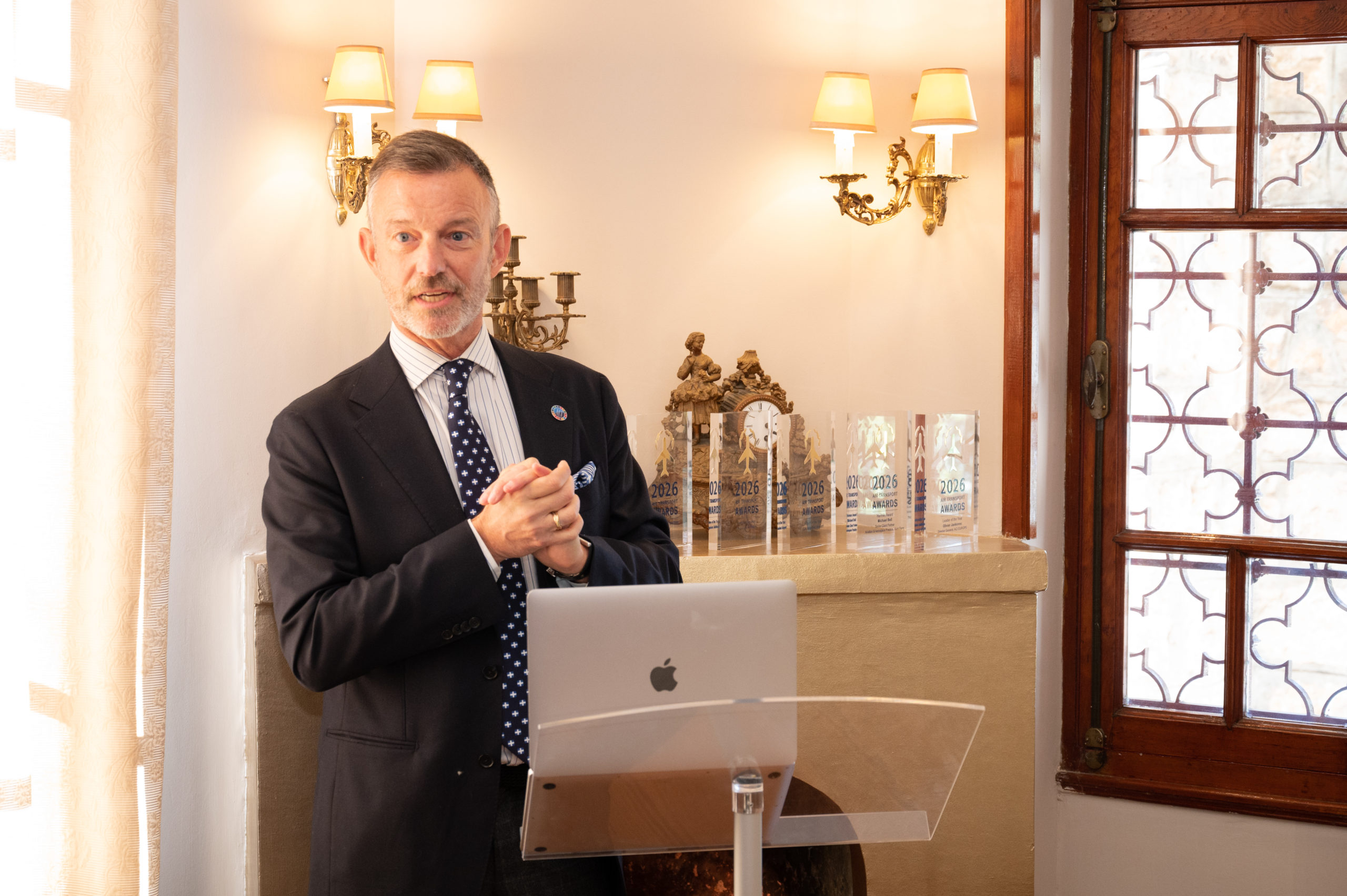
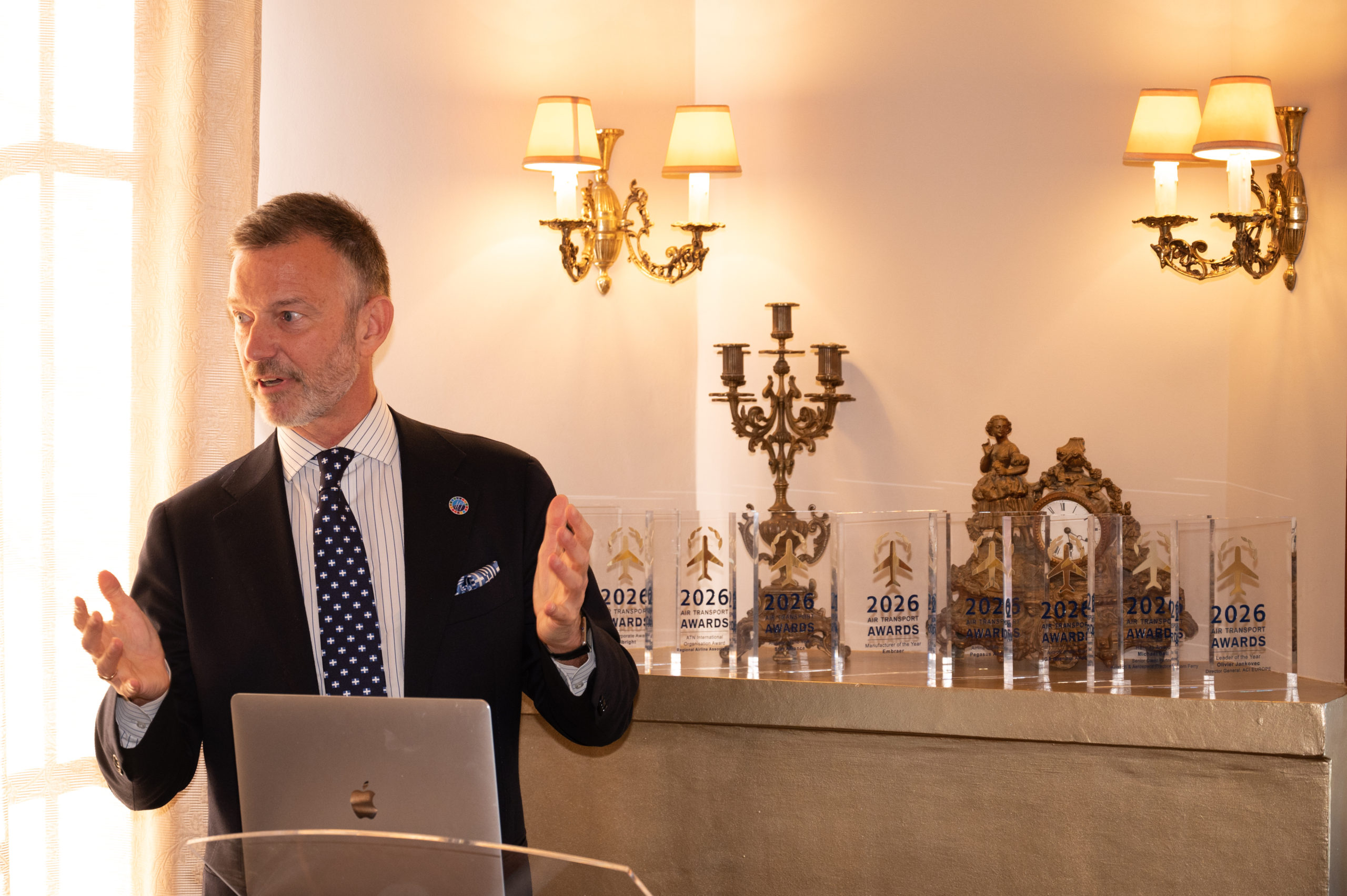
Olivier Jankovec, Director General, ACI EUROPE in his keynote address pointed to the fluid highly uncertain situation and aeropolitical repercussions created by the Middle East conflict.   This will have a great impact on capacity and airfares. Jet fuel prices have catapulted- there is an  increase 70 -80% compared to last month-  as 40% of jet fuel in Europe comes from the Middle East. Airlines will have to increase the fuel surcharge. European and global economy will start feeling inflationary pressures and the rising cost of living and decrease of disposable income will add to the uncertainty. Traffic forecasts for the year, which were anticipating a moderation, normalization of passenger traffic in the coming years, are upset. Traffic to the Middle East is quite significant for the European airports, 11% capacity goes to the Middle East perhaps people will travel within Europe.

He also presented the aviation and airport situation in Europe after the Covid crisis and before the current crisis.  In 2025 European Airports welcomed 200 million passengers well ahead the preCovid 2019 numbers. All national markets growing positively but still there are many airports that have not recovered to the preCovid numbers traffic volumes. The European market is fragmented in terms of performance: Germany, the Nordics, France well below pre-covid traffic volumes while Southern and Eastern European airports are outperforming. The growth has been driven by leisure and VRF traffic and by the current trend of moving from material consumption to experiential consumption. Perhaps people will move to travel within Europe.    

LCCs and Turkish carriers, Turkish Airlines and Pegasus, have increased their market presence and follow ambitious plans in terms of fleet growth while traditional carriers are below their seat capacity but follow a different strategy by going upmarket and focusing on their hubs. This premium demand pushes airports to develop their outlook, facilities and services.  There are supply pressures for airlines related to securing aircraft and maintenance problems which constraint the capacity of the market. Airports are expected to see even more pressure from airlines to airport costs as Airport competition is not played out at the network level: Ryanair and Lufthansa follow a multihub strategy and play the competition between airports and allocate their resources based on the best offer they get from airports. 

The current convergence of geopolitical, cyber and physical threats and multi disruptions present risks and challenges for airports. Europe has half of the most congested airports and given this lack of airport capacity and difficulty  for physical expansion may mean passengers will not be accommodated because EU market will be bypassed. Even more since more countries  are investing and putting aviation in the core of their economic development, such as Ethiopia, India, Morocco, Egypt.  Airlines need not only to earn license to grow but also to operate to safeguard air connectivity and the economic and social benefits this provides. Airports face a double challenge: on the one hand climate change is going to increasingly impact aviation by modifying travel demand patterns, airport operations and infrastructure (extreme climate events such as floodings) impacting societies at large and potentially disrupting wealth creation, which may mean negative demand for air transport within Europe. At the same time the path to decarbonization according to EU climate policies is  super costly for the European aviation sector  and may be translated in higher fares and lower demand. A second challenge for airports is decoupling financial viability from volume growth and moving towards increasing unit revenues and diversifying income streams. A difficult task as airports which are capital intensive, operate in a inflationary environment and still need to keep investing in facilities, digitalization, innovation, cyber security, ESG.  To increase airline charges is the only way forward to keep investing and deliver to society.  The third challenge for airports is becoming the masters of their own capacity, more in control of the way their stakeholders especially airlines use their facilities so as to achieve efficiency in terms of cost and investment but also in terms of connectivity and environmental performance. 

All these challenges are linked to European policies and regulations and  policy makers need come up with supportive initiatives and policies that will lead to  an evolved and value creation model for airports based on three pillars: sustainability, innovation and diversification. 

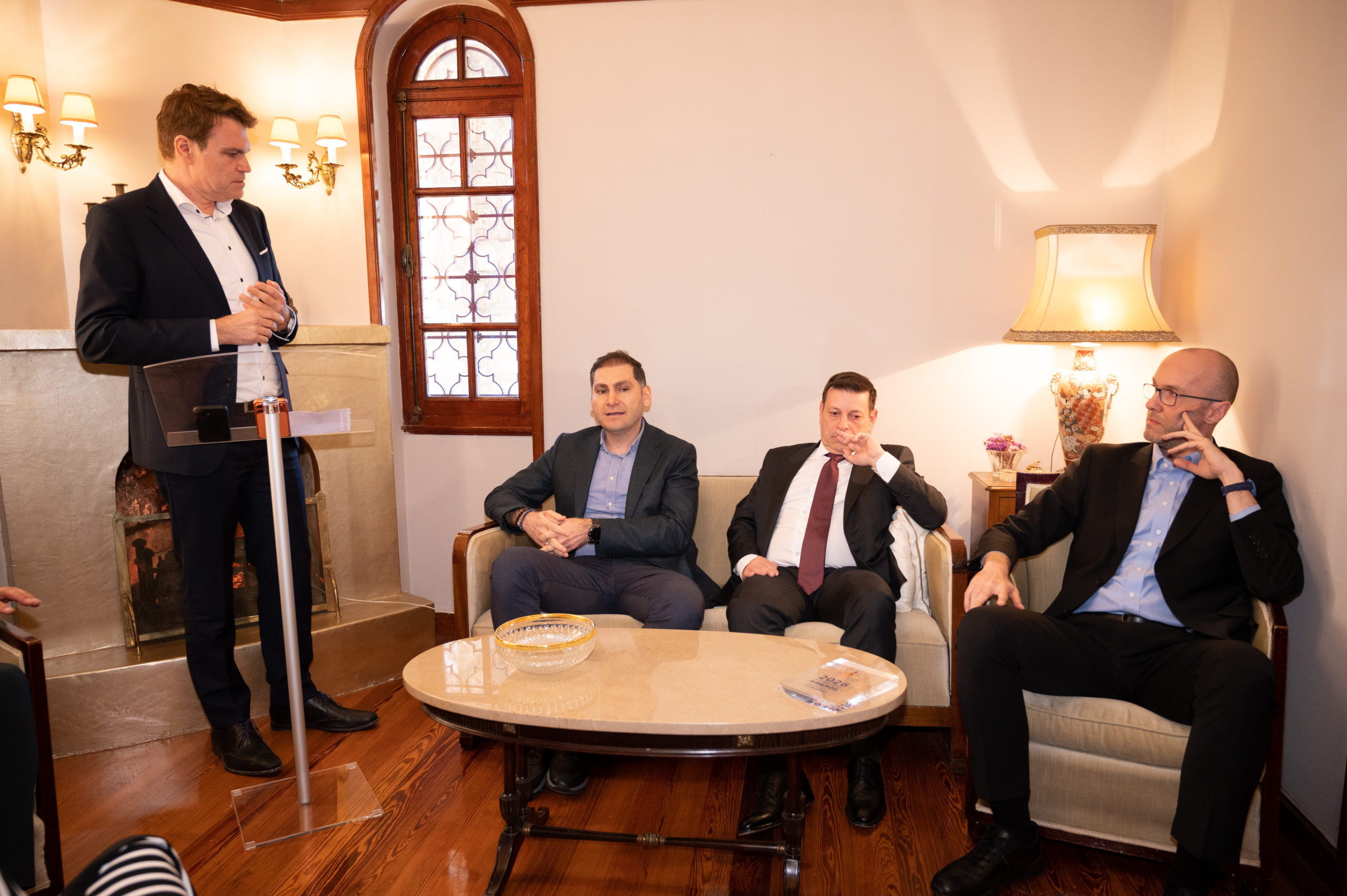
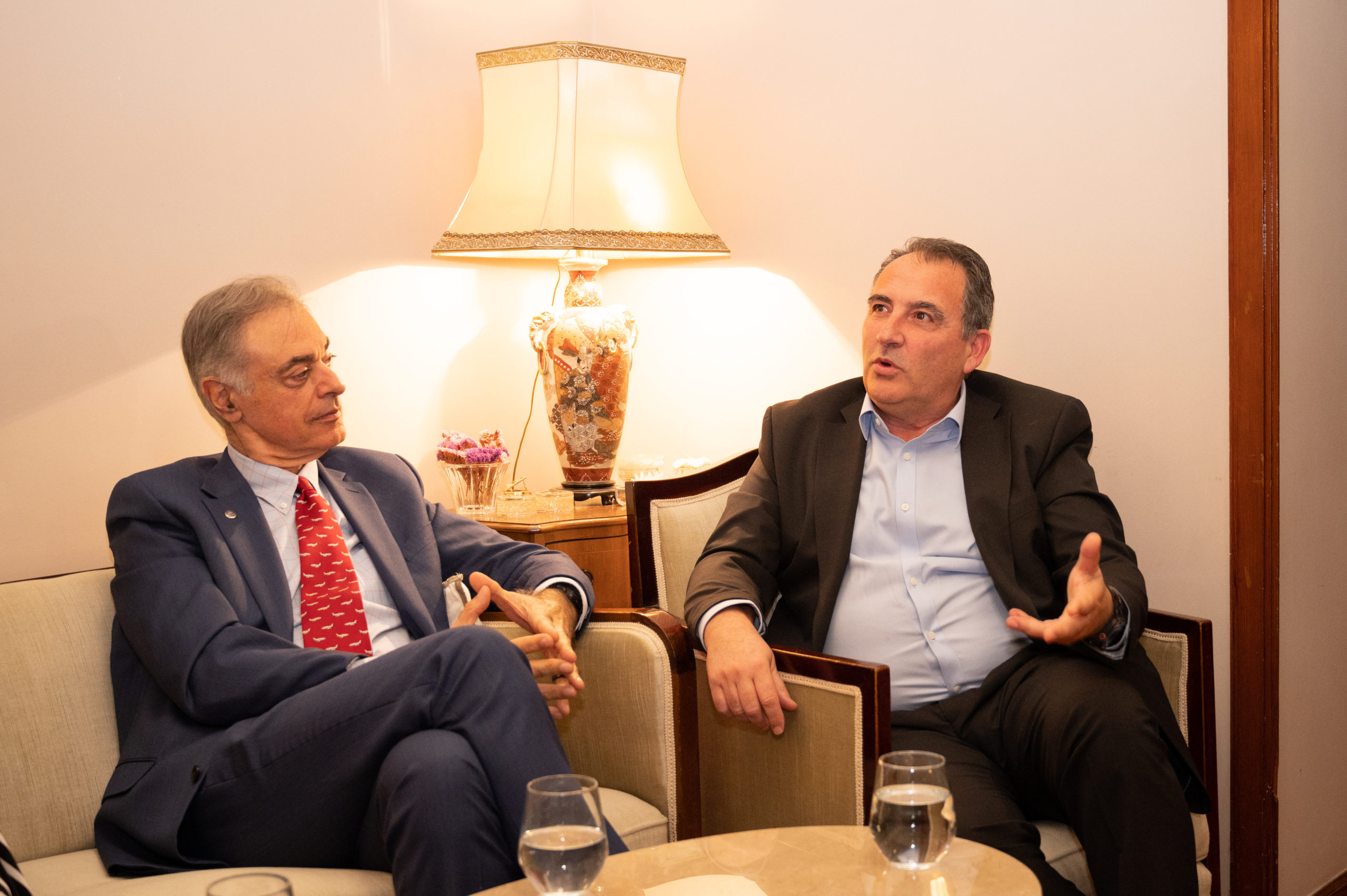
Ilias Maragkakis, Associate Partner, Lufthansa Consulting, moderated Session 1 with panelists being  Selahattin Bilgen, CEO,  iGA Istanbul Airport, George Kallimasias, Managing Director (CEO), Athens International Airport, Jean-Luc Rauline, COO, EMBROSS and Ahmet Bağdat, CMO, Pegasus Airlines.  The first question centered on the way the events in the Middle East are affecting the business operations. The issue of surcharges in shipments and change of shipment delivery location, the increase of transit time which may mean added and complexity to the deployment of projects was mentioned. At Istanbul airport, the main point for transfer in the region and regional hub, first week 60 to 70 flights per day were cancelled and 150 fights per day, representing 10% of daily operations. For Athens Airport the volume of traffic in the immediately affected countries accounts for 7-105 of the annual traffic. The participants agreed that the main concern is long this conflict will last, how it will affect the propensity to fly mainly leisure traffic, and its long term impact oil prices, on the economy, on inflation and the start of a financial crisis and uncertainty. Especially for those entities that have embarked on CapEx programs- building car parks, expansion of terminals- will be affected since once these programs have been embarked, it is difficult to suspend them. 

In this BANI (brittle, anxious, nonlinear, incomprehensible) permacrisis environment of structural chaos the role of leadership and the role of collaboration are more important than ever. There is a need for decisions that agile, adaptive and quick whatever the field applied to. Even without crises aviation has complexity in its DNA, with so many partners and stakeholders in the ecosystem. In this complex interdependent system no entity where the performance of the one is dependent on others and as it is getting more complex, more coordination, more exchange of knowledge, data to create  systems adaptive to the changing conditions and to put capacity at the right place and at the right time and to take brave decisions at the time required. 

A main yet sensitive element of this collaboration is data sharing and real tine information exchange to trouble shoot, fix and improve performance and passenger service enable data analysis in way to use them by all stakeholders in a collaborative manner so as be aware of what is going on in other processes: to be better operationally means to be financially better.

Although all stakeholders agree on the sharing of operational data,  the issue of commercial data, which is still at rideable valuable asset, remains. Airports complain that they do not have direct data for the passengers and they need these commercial data such as age, purchasing behaviour, travel habits to increase their non aeronautical revenue. From the airline perspective, as passengers spend more time at the airport than on a flight, therefore the customer experience at the airport is very crucial.  Airlines would like to have the data of the availability of parking space, of passenger time spending at airport shops or food courts, or to go through security, length and speed of queues at border control: Better knowledge at least at their hub would enable them to inform passengers at every step of their journey. 

On the question of AI, it was pointed out that aviation is focusing on technologies that can create value in operations and services. The example of Marseille airport which offers a “Biometric Journey” using facial recognition to streamline processes and get rid of repeated  ID checks. Because it is an expensive sport and cyber security has made it even more expensive and still there are no concrete answer to what can bring tangible value stakeholders do not want to waste money by becoming the testing ground for new unproven technology. 

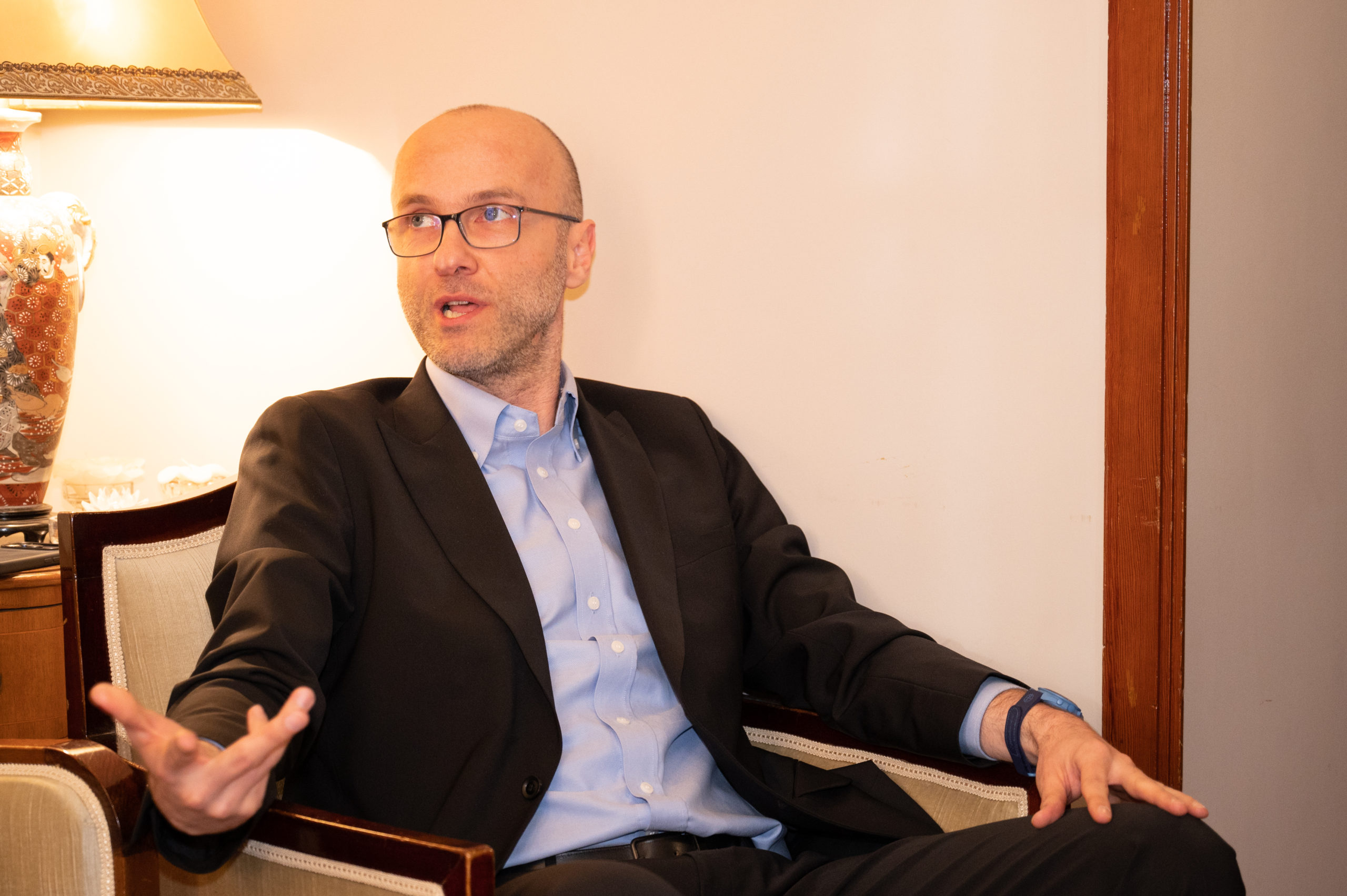
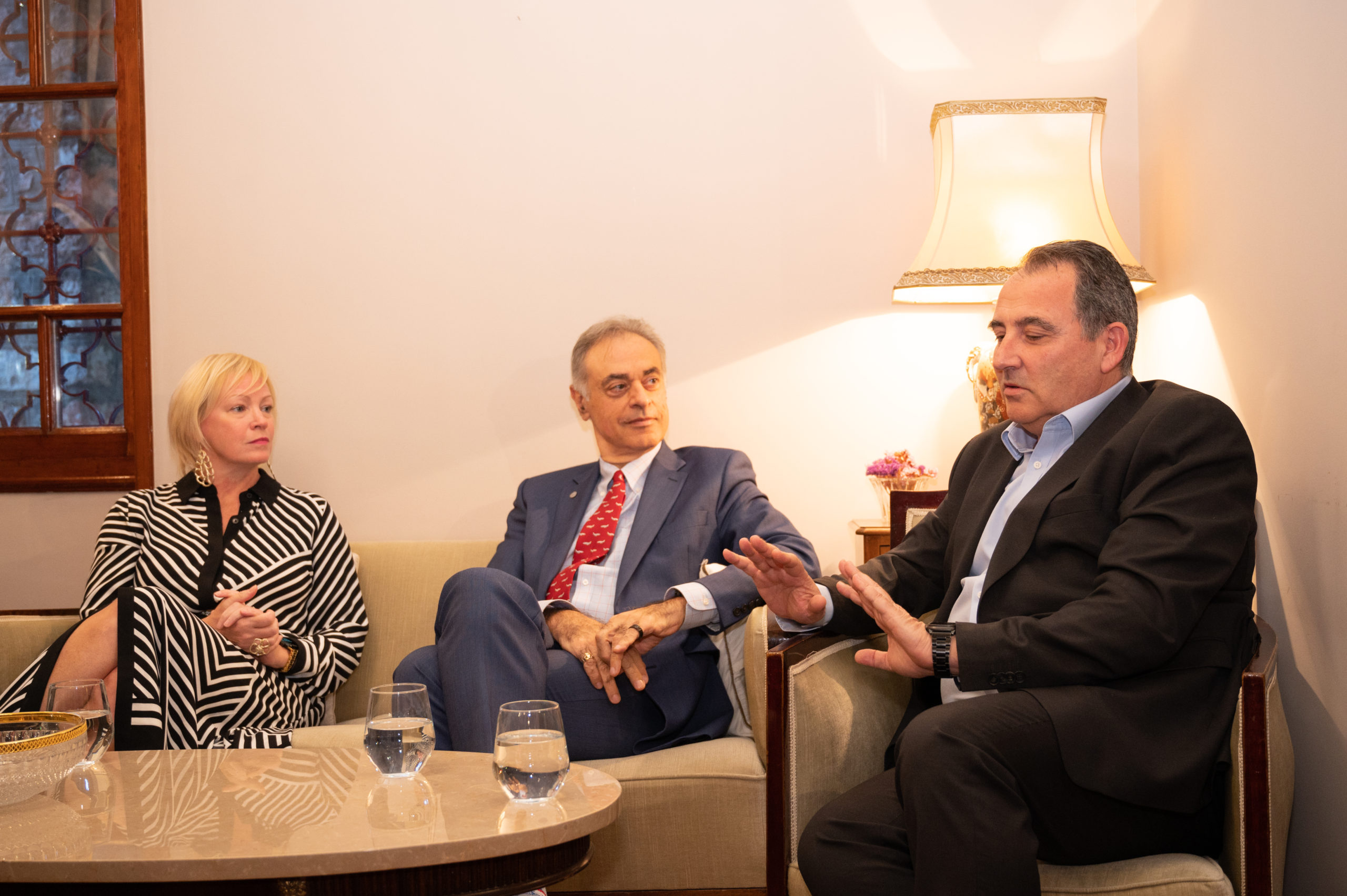
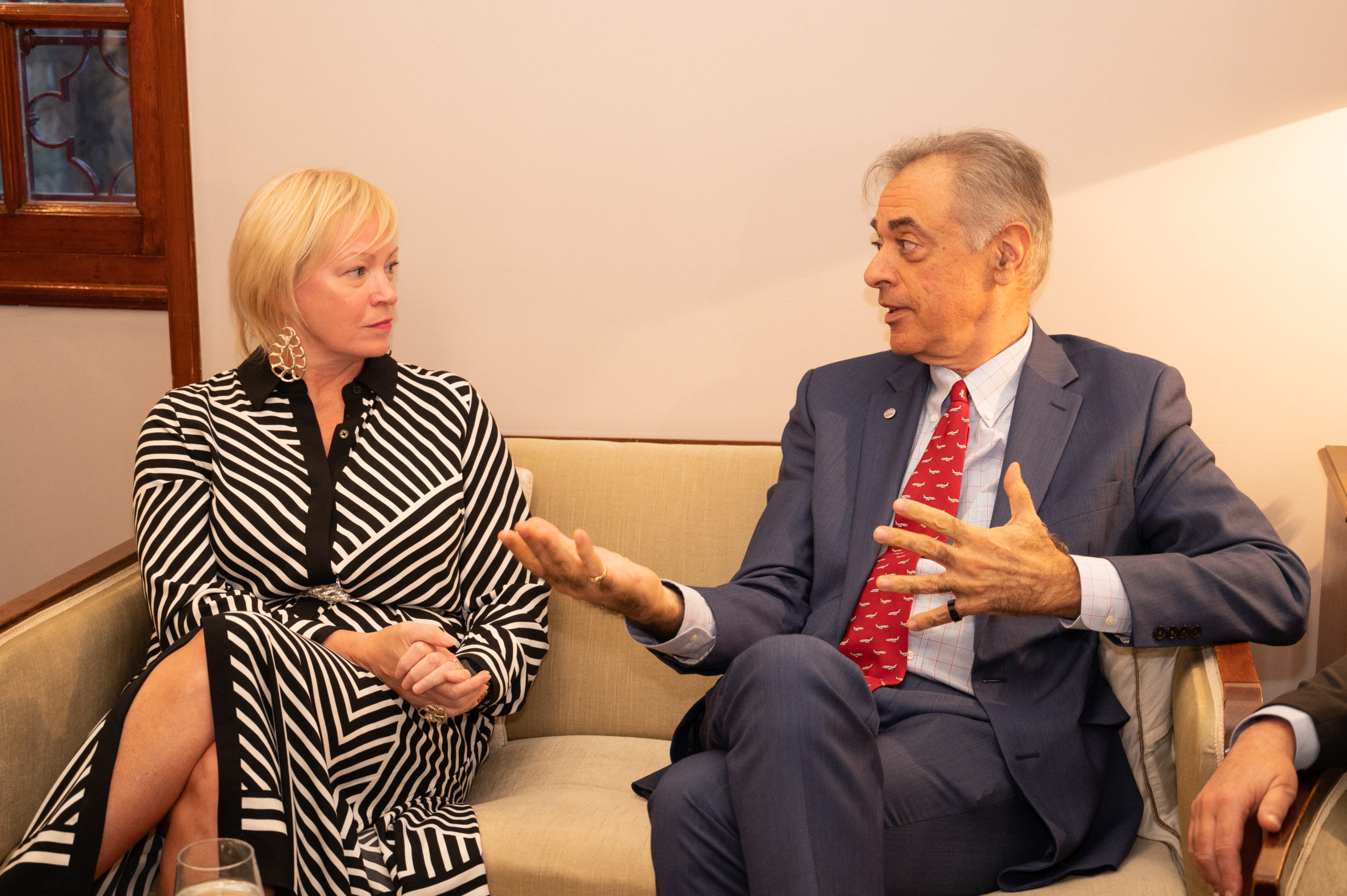
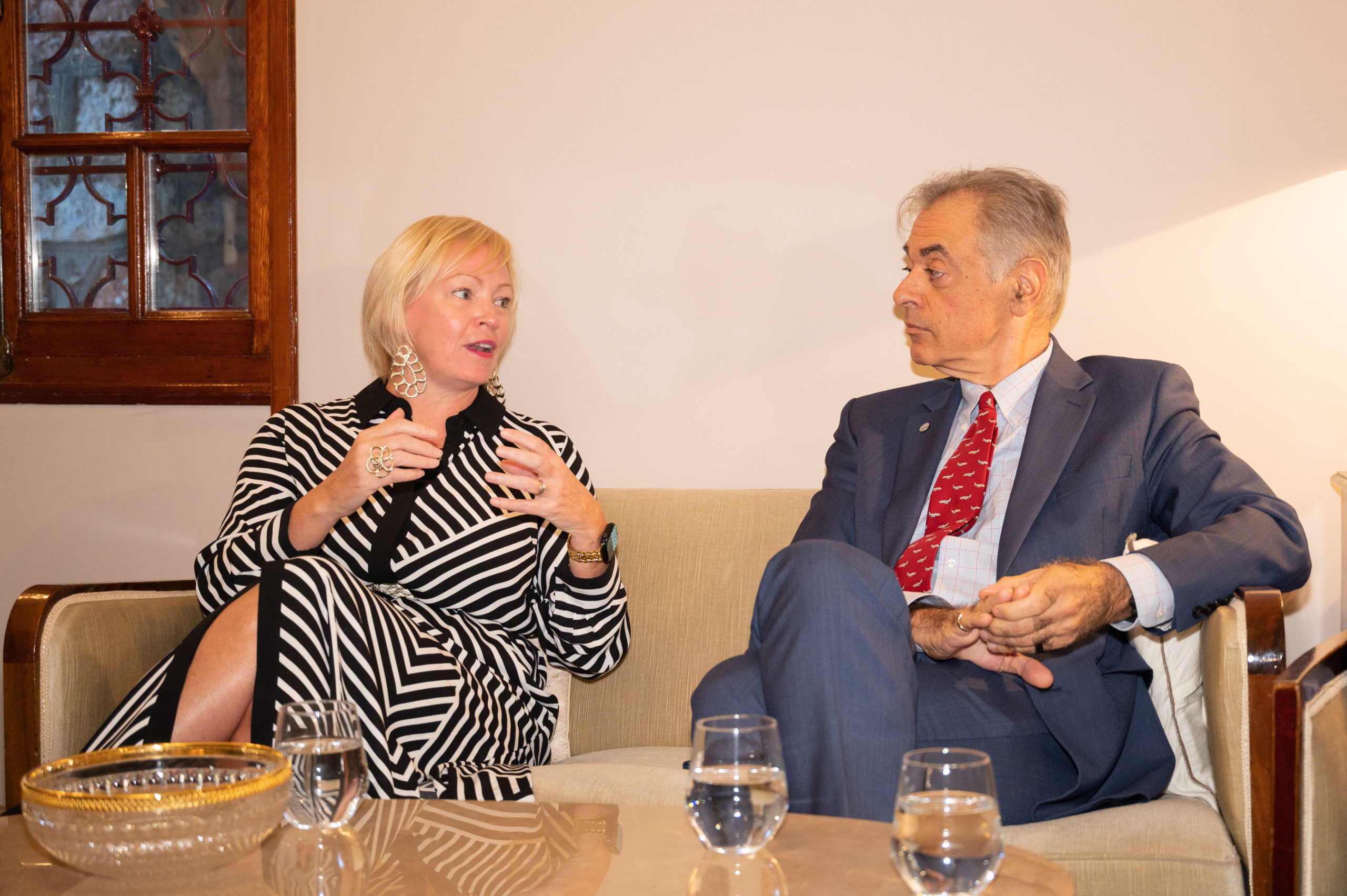
Ilias Maragkakis moderated Session 2 with panelists this time being Faye Malarkey Black, President & CEO, Regional Airline Association, Angelos Astrinidis, CEO, aviBright, Michael J. Bell, Senior Client Partner Aviation & Aerospace Practice, Korn Ferry and William Ast, Vice President, Embraer Commercial Aviation. The participants stated that the current volatility is  bad for both economy and business. The short term implications are traffic and supply chain disruption and escalating while the long term implications are unknown. Aviation leaders are business hardened and BANI trained as they operated in an industry subject to exogenous shocks that make it flip from profitability to unprofitability.  The participants pointed to the massive shortage of senior pilots and skilled technicians and the fact that the talent market remains to a larger extent “national” because national legislation prevents from non citizens to hold CEO positions in airlines or airports. The shortage of pilots is more acute for regional carriers, one of the causes of small community airports losing service frequencies. It was pointed out that regulatory decisions are taken by people in the larger centres that are unaware of the fragility of small communities. 

On the issue of AI it was pointed that at least for the time being AI is issued more as “automated information” to assist and support employees in their daily tasks. There is still the problem of shit in, shit out” (SISO) or  “garbage in, garbage out” (GIGO), which means a human brain is needed behind to ensure the integrity of what comes out.  AI is still in embryonic stage but already omnipresent and things are moving too fast to make precautions.  The current approach is “Human-in-the-Loop” (HITL) where human interaction and feedback are integrated into the machine learning cycle to improve accuracy, mitigate bias and handle edge cases. 

On the software side, AI is speeding the testing, documentation phases of the software business and the products delivery, with software developers becoming code auditors.  Recent examples of AI applications in aviation include the  Embraer Enhanced Takeoff System (E2TS), a technology designer takeoff system to allow an aircraft to perform the takeoff maneuver—specifically the rotation and initial climb—automatically, without requiring direct, manual input from the pilot and the  baggage photo recognition technology designed to identify and track luggage. 

Another development mentioned that airlines do not make money any more by flying people but by monetizing their customer partnerships, as seen in the Delta Amex agreement while airports create value through diversification. The fundamental business model of aviation is changing and with that comes different requirements transforming loyalty programs from simple rewards schemes into high-margin fintech and marketing platforms By collaborating with banks, hotel chains, retailers, and car rental companies, airlines create ecosystems where they sell “miles” as currency, generating revenue that often exceeds profit from actual flight operations and for that  they need  expertise from other businesses.