


17 February 2026 Ekali – Greece
The Digi Aviation Discussion Forum will provide a platform for thought leaders, industry experts, and technology innovators to come together and discuss cutting-edge solutions that can help the aviation sector address these critical issues. The event will focus on the role of digital technologies in optimizing airport and airline operations, improving passenger experiences, and driving efficiencies that contribute to sustainable aviation practices.
10:00 Welcome coffee and family picture
10:30 Welcome address
Dr Christos Tsitouras, Governor, HCAA
10:40 Keynote address and setting the scene
Nicolas Rallo, Regional Director, ICAO – European and North Atlantic Office
11:00 Master in Air Transport Business Administration (MATBA) Presentation
Dr Kostas Iatrou, Director General, Hermes – Air Transport Organisation
Anargyros Ziakas, Administration Officer, MATBA
11:10 Keynote Presentation – Digital identity Wallets and fast check-out customer experience for the transportation and hospitality industries (ferry, aviation, hotels and beyond)
Petros Kavassalis, Associate Professor | Director of UAegean i4m Lab (School of Engineering)
11:30 Coffee break
12:00 Digi and customer experience
Moderator: Dr Kostas Iatrou, Director General, Hermes – Air Transport Organisation
-Theodore Koumelis, Co-Founder & Managing Director, TravelDailyNews
-Petros Kavassalis, Associate Professor | Director of UAegean i4m Lab (School of Engineering)
-Barış Fındık, CTO, Pegasus Airlines
1300 Digi and Operations
-Dan Nicorescu, Operational Director, Cluj International Airport
-Ioan Drăgan, Founder, ARGONIAN
-Angelos Astrinidis, CEO, aviBright
14:00 Farewell lunch
ORGANISERS
.

.

.
SPONSORS

.

.
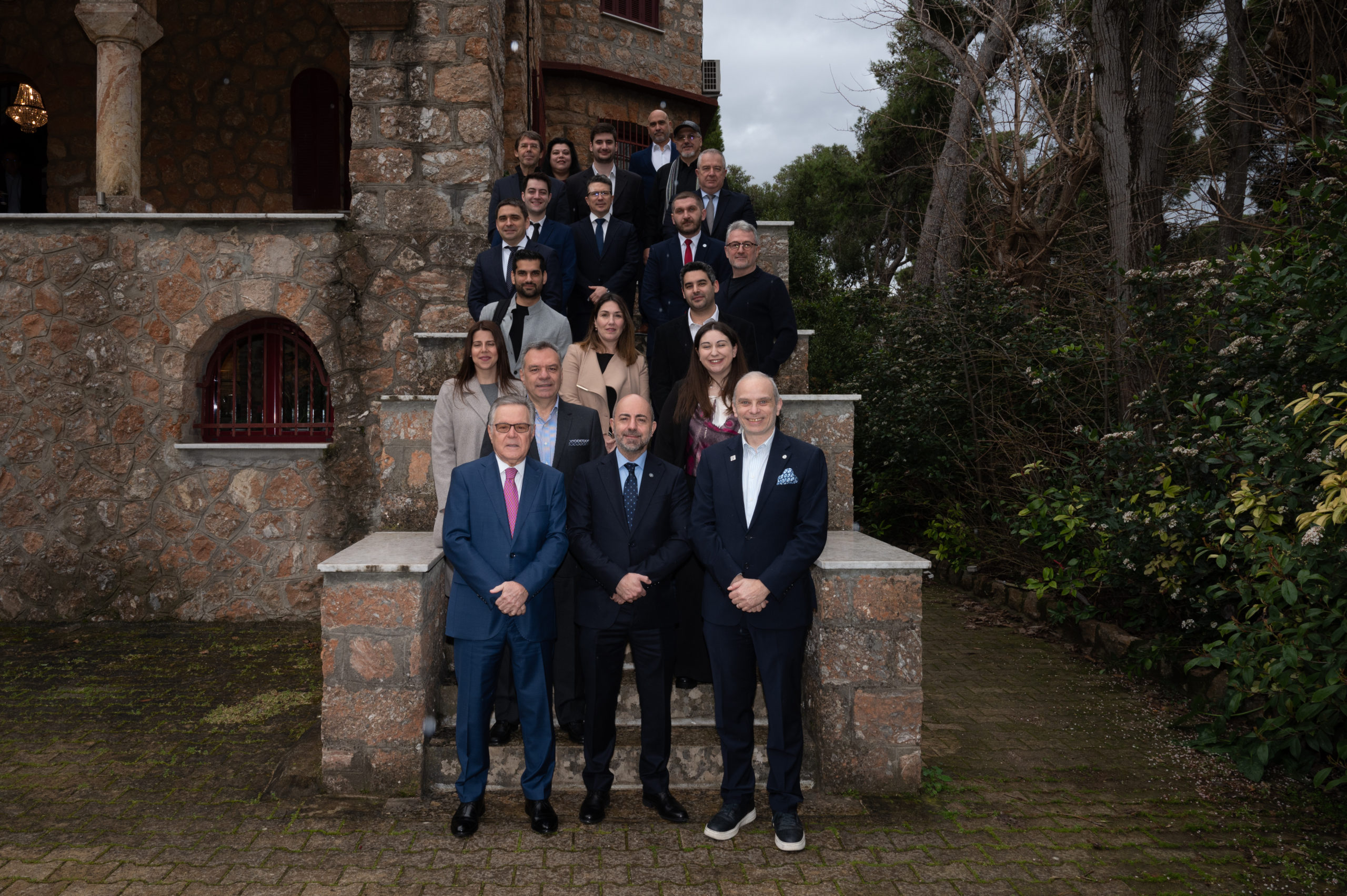
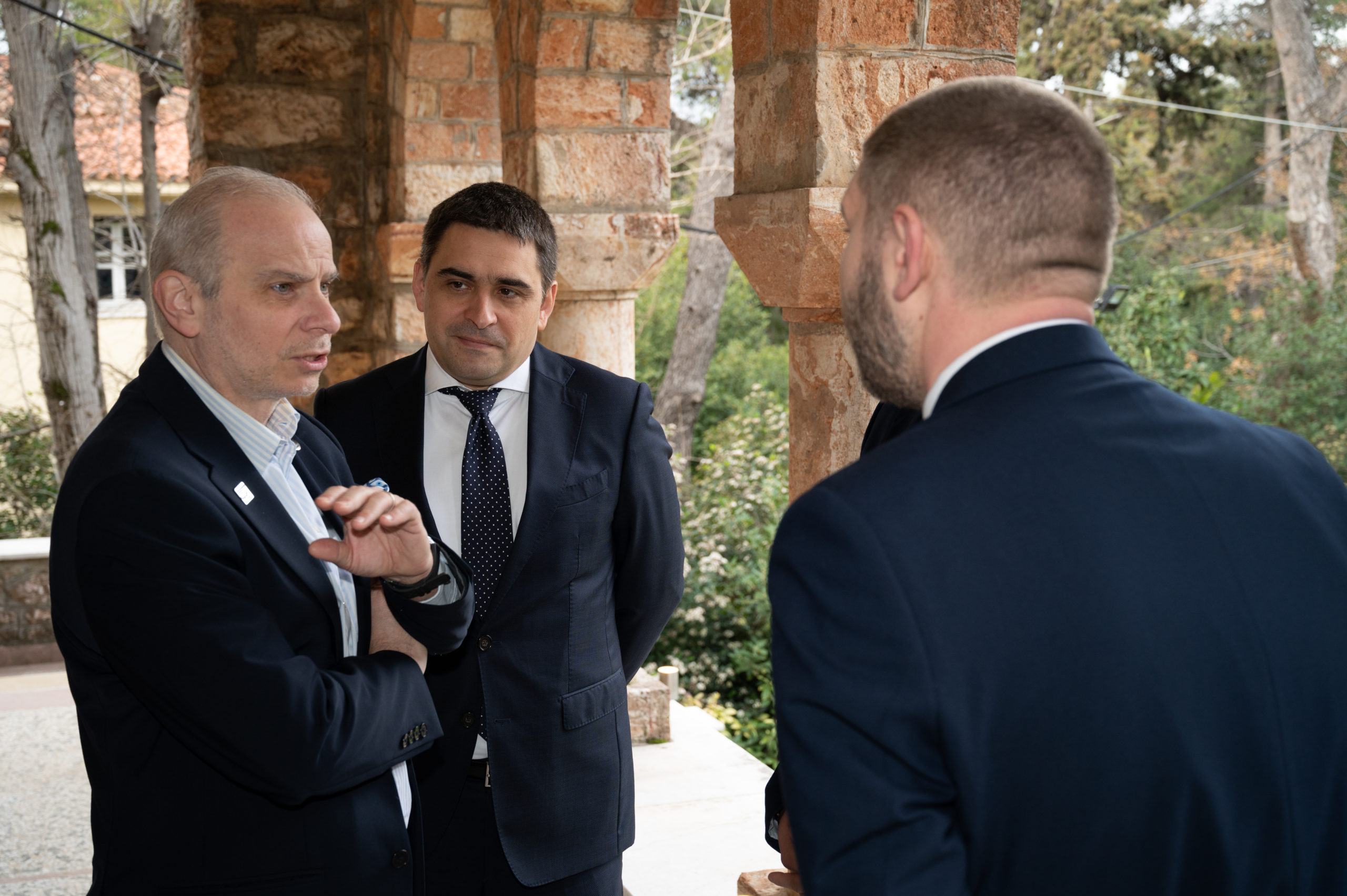
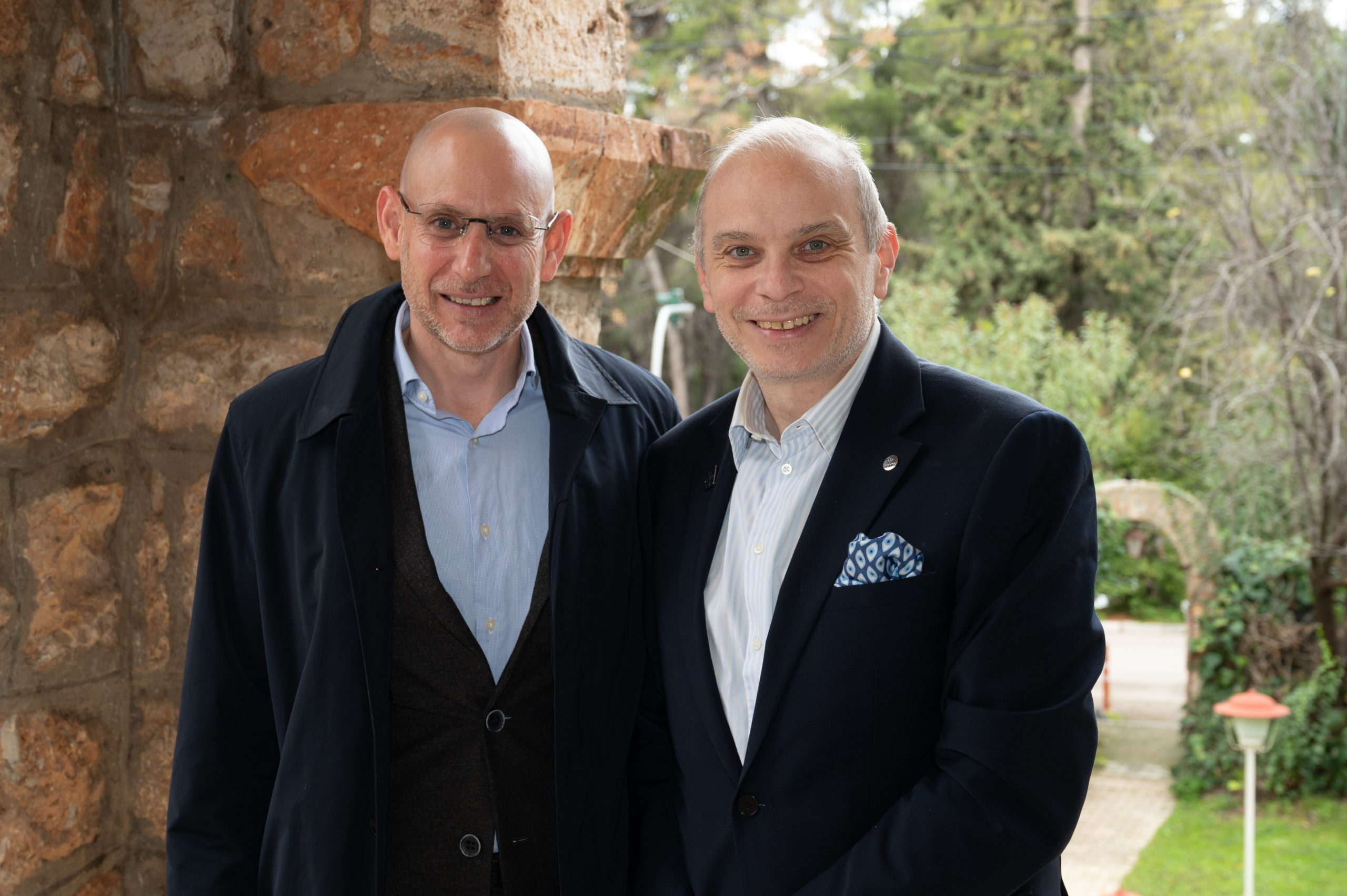
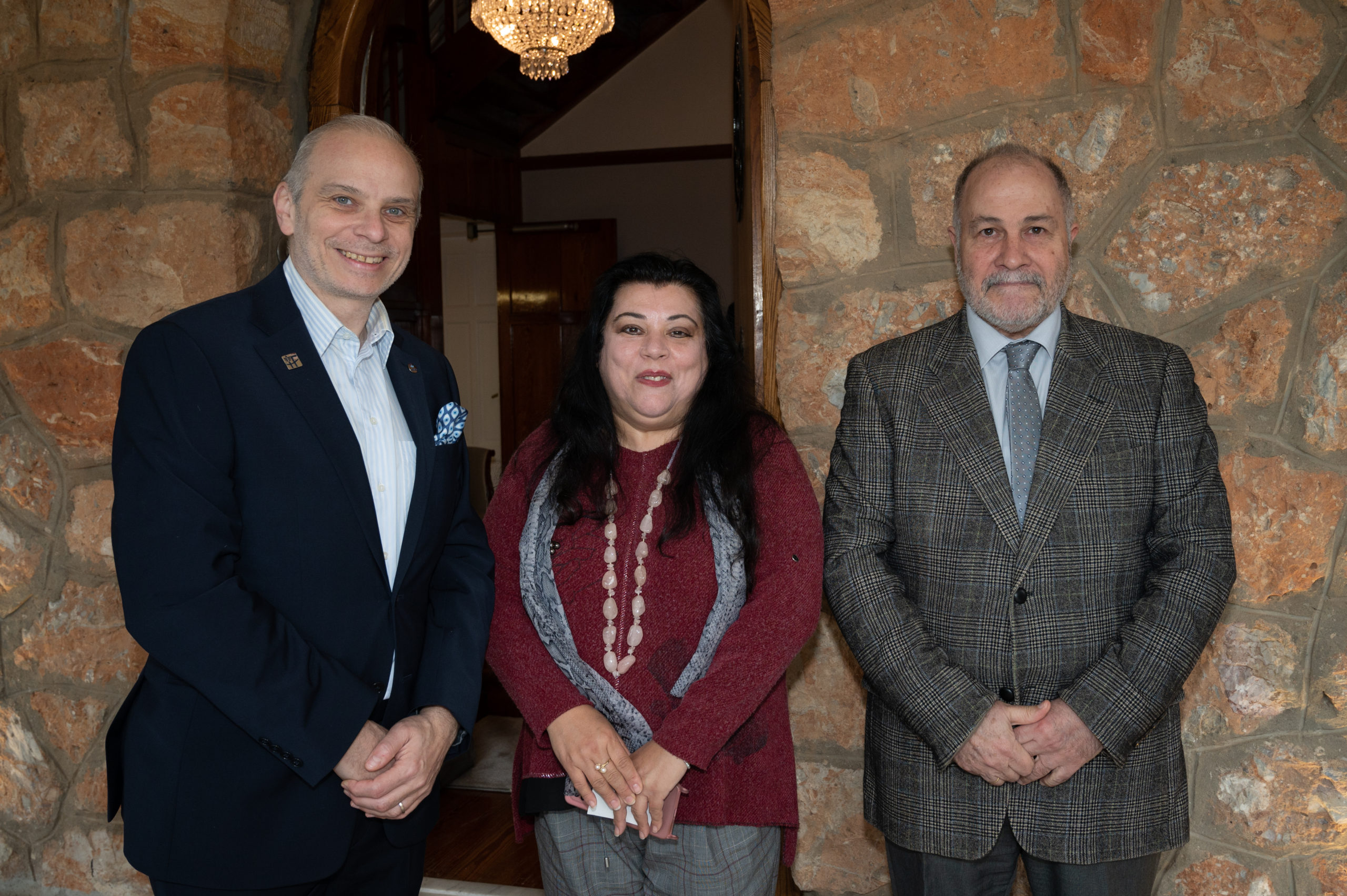
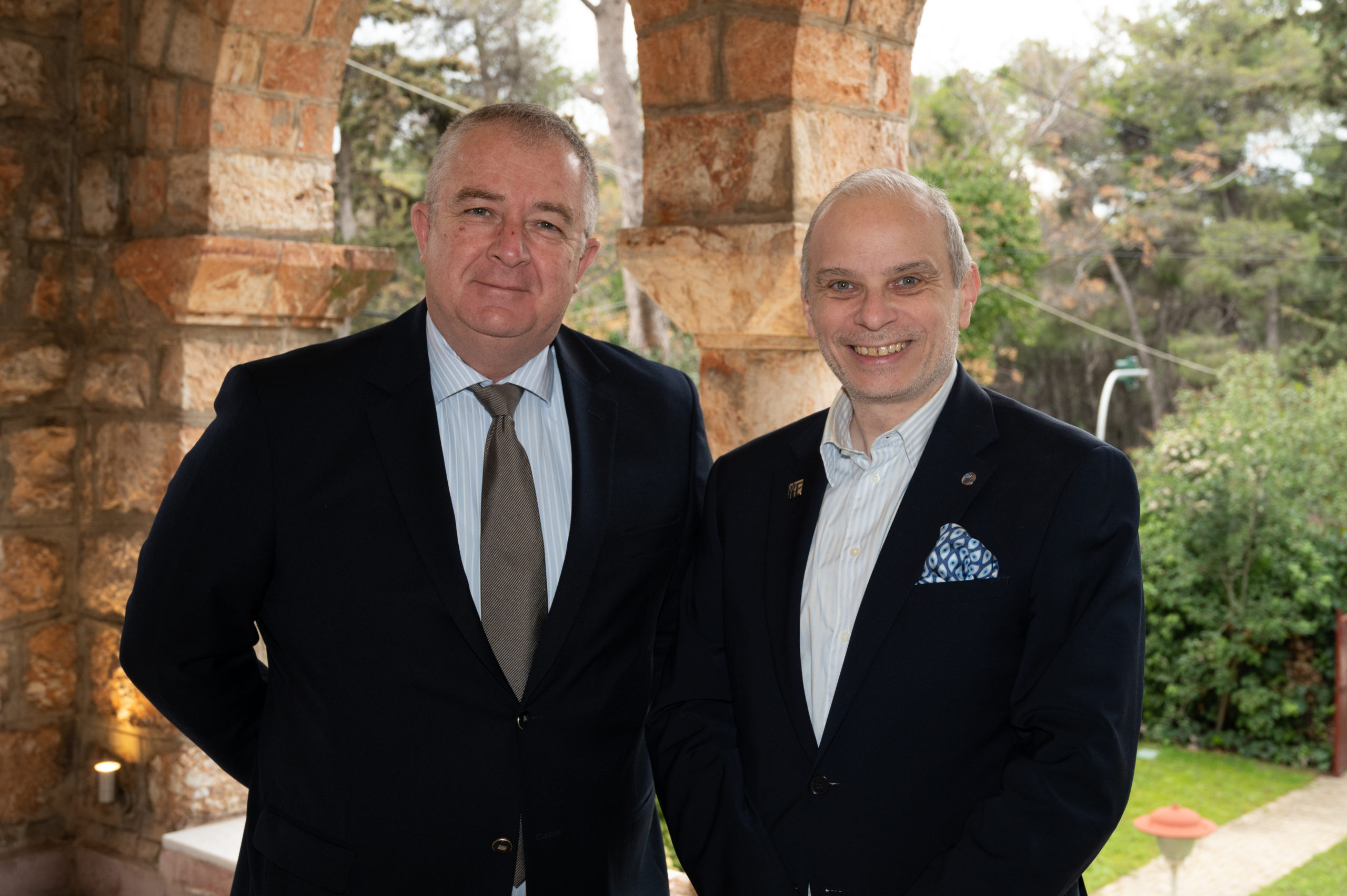
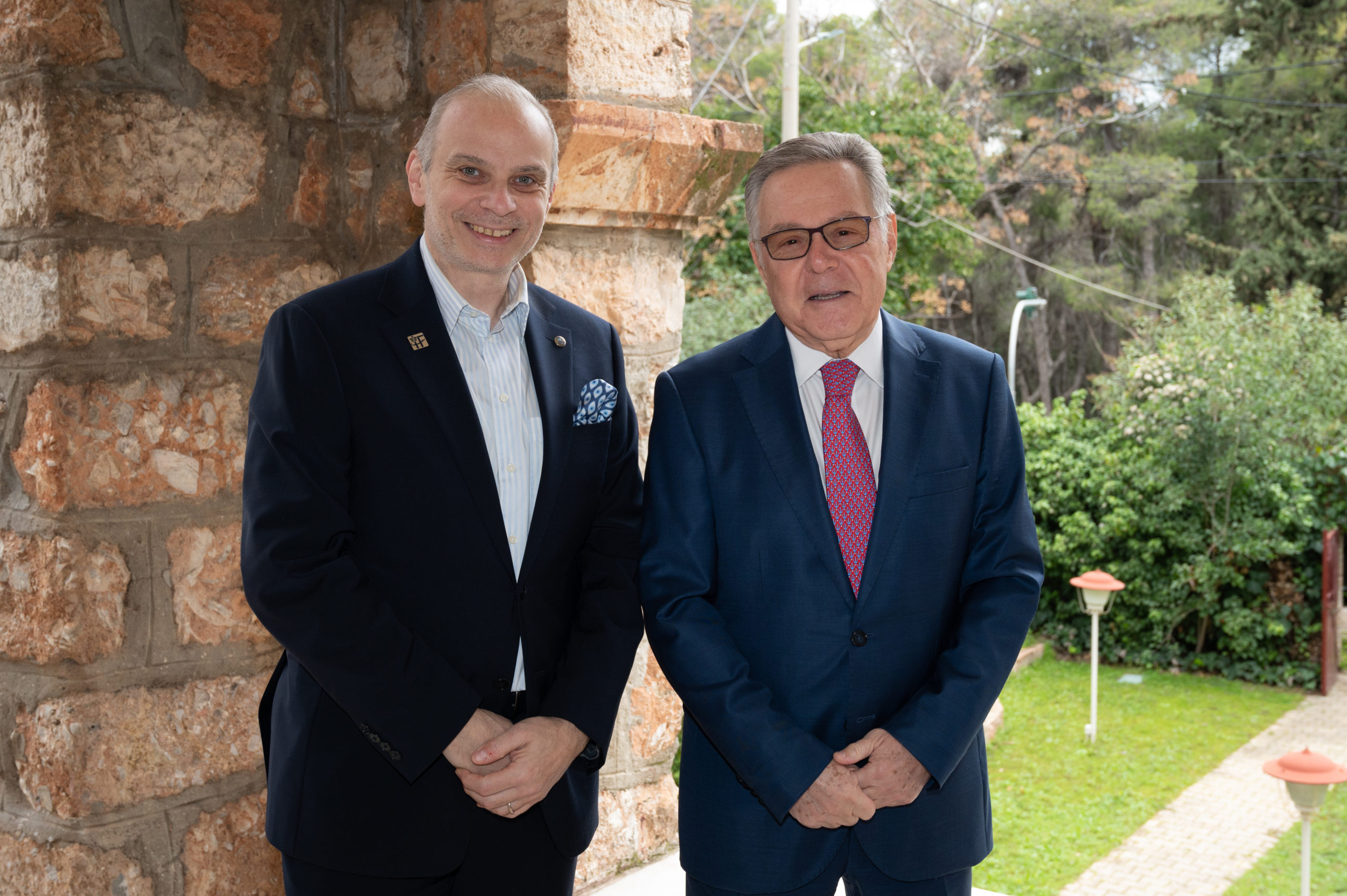

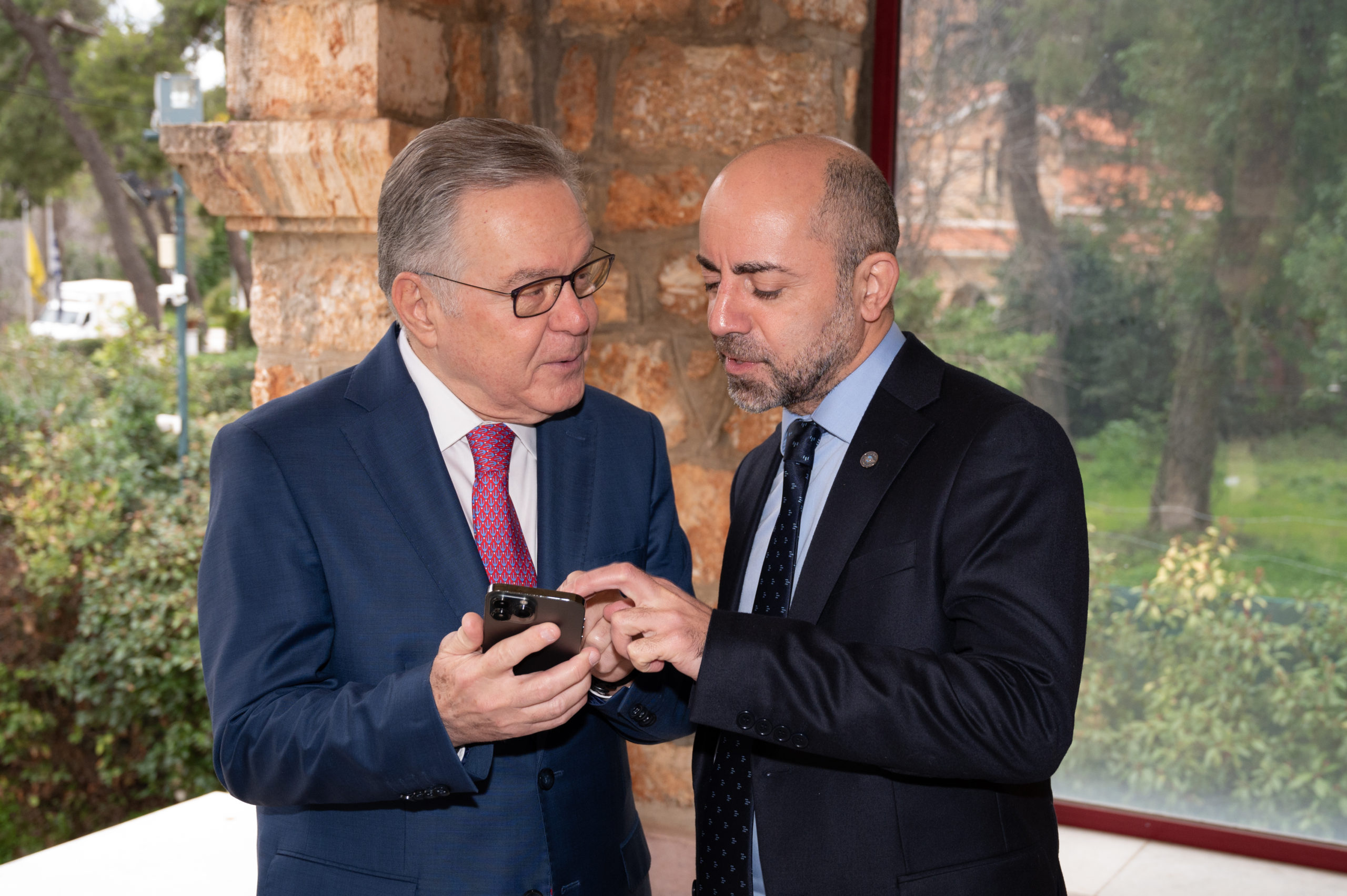
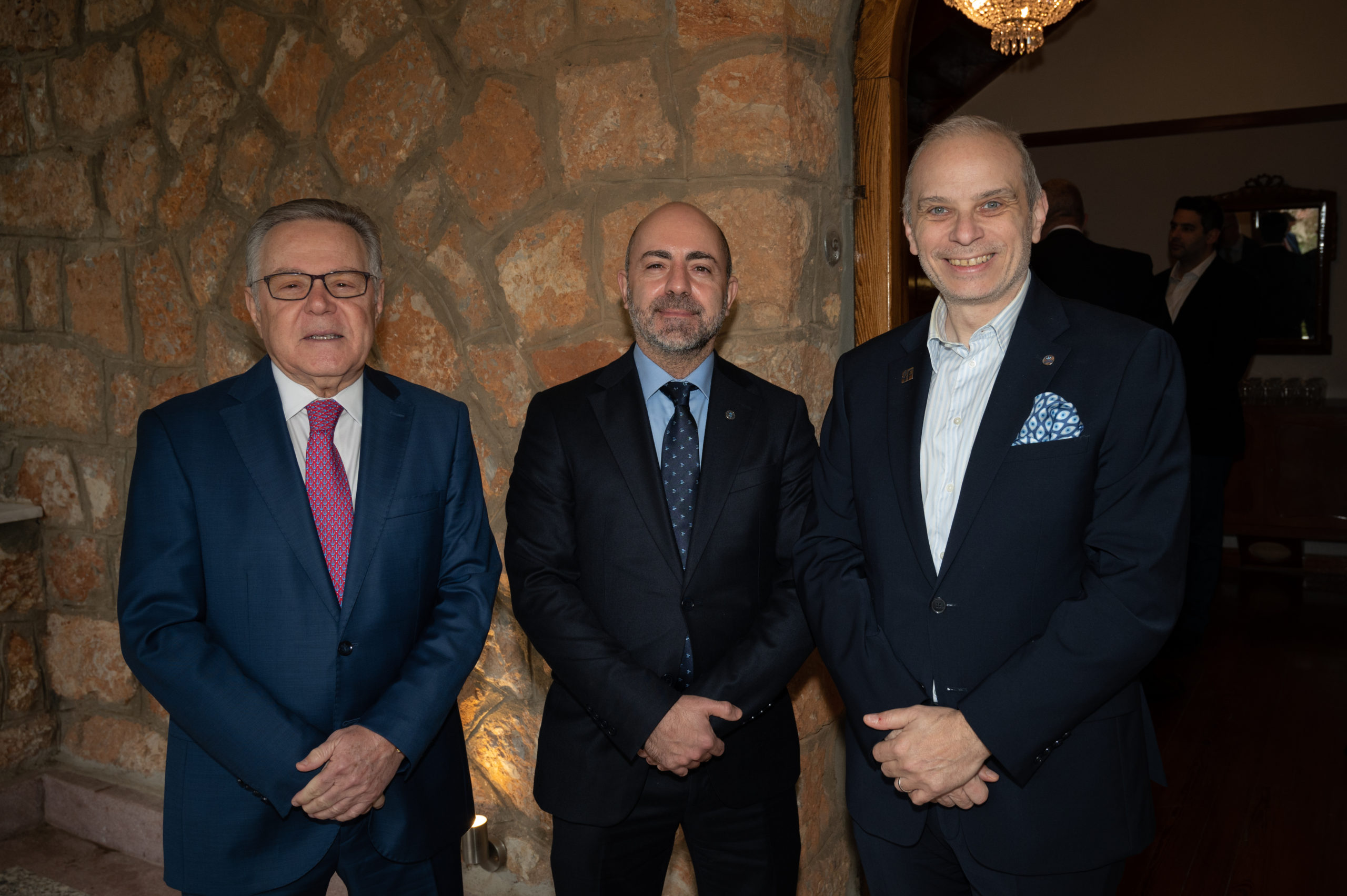
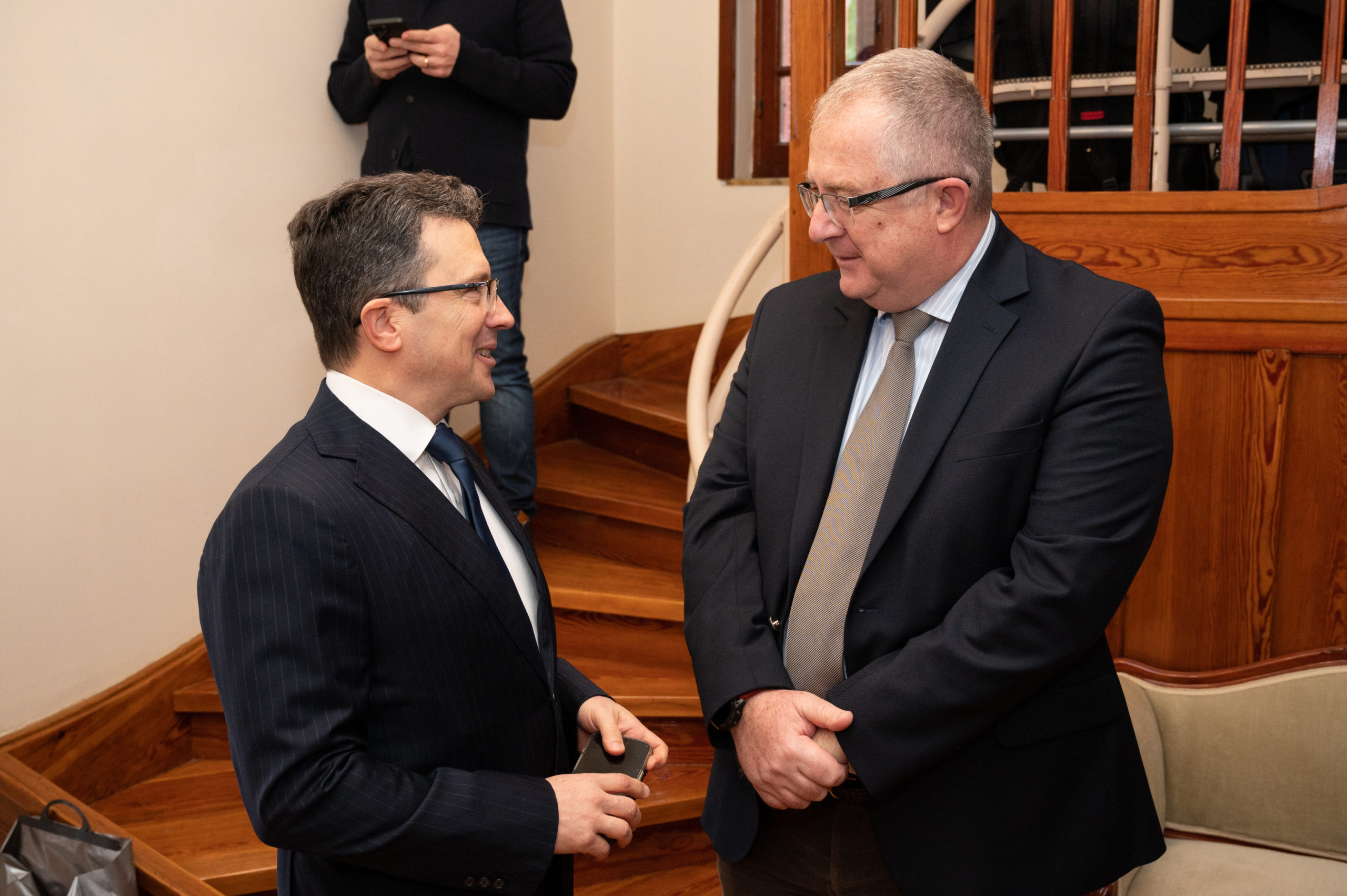

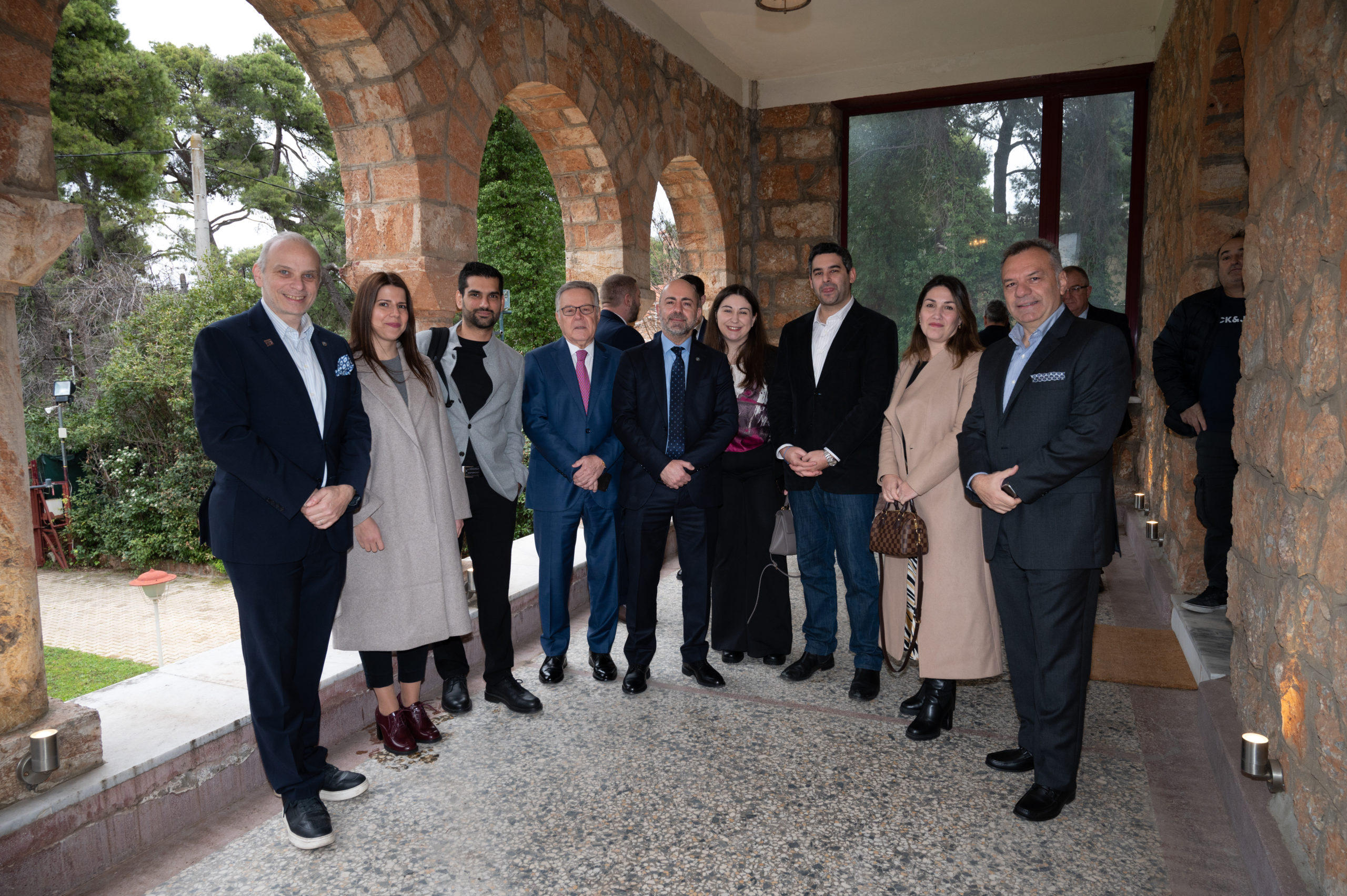



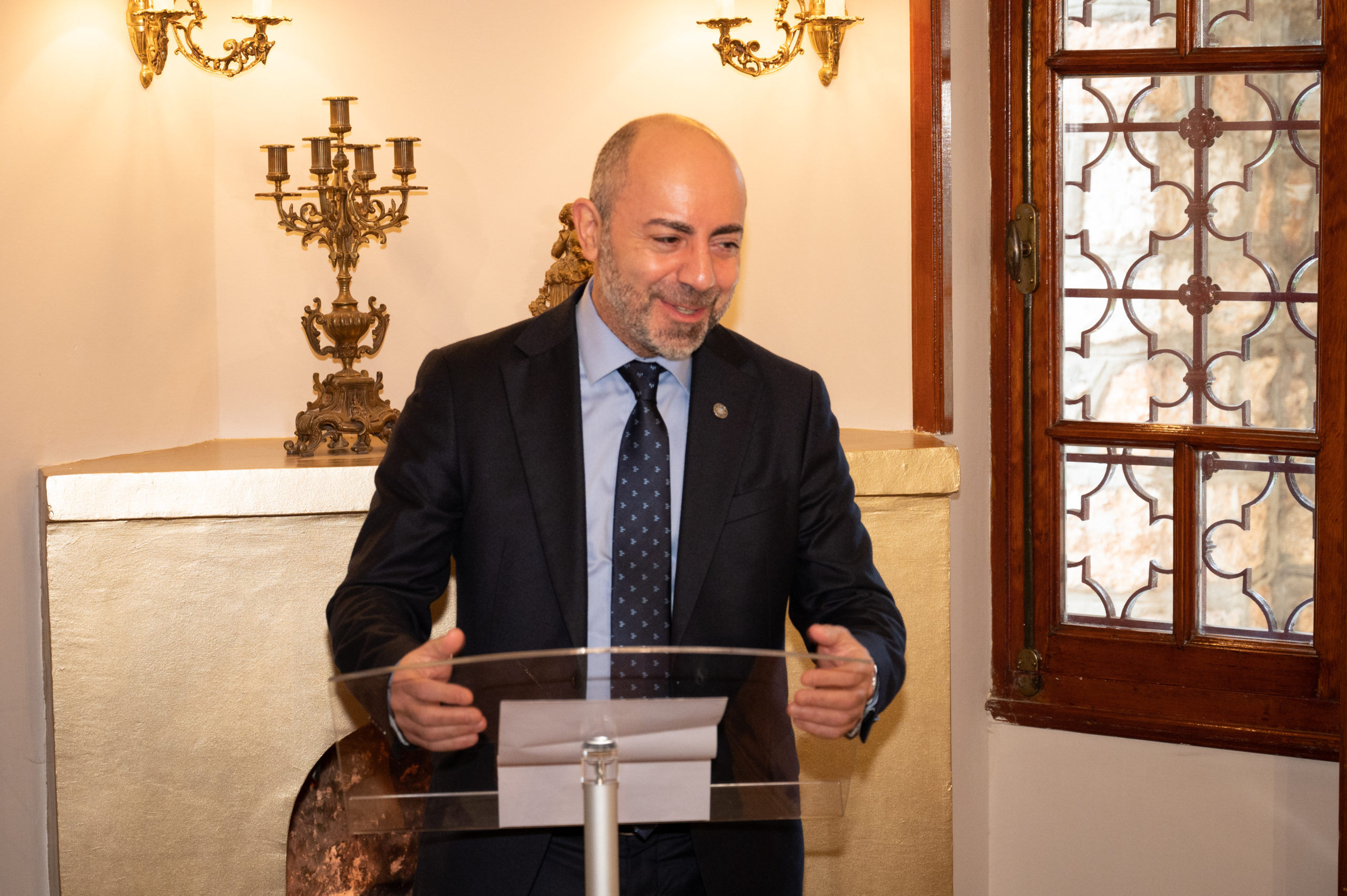

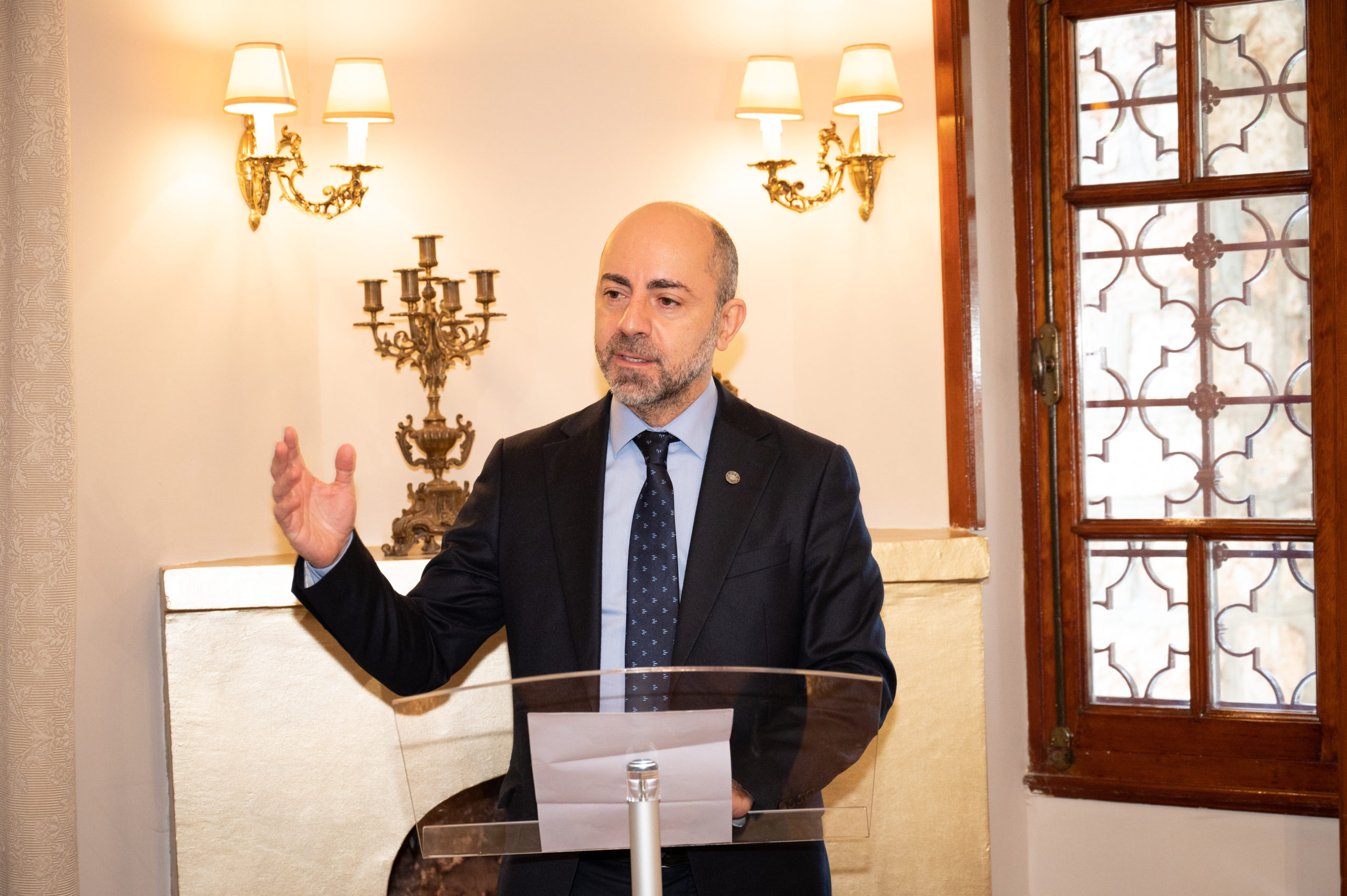
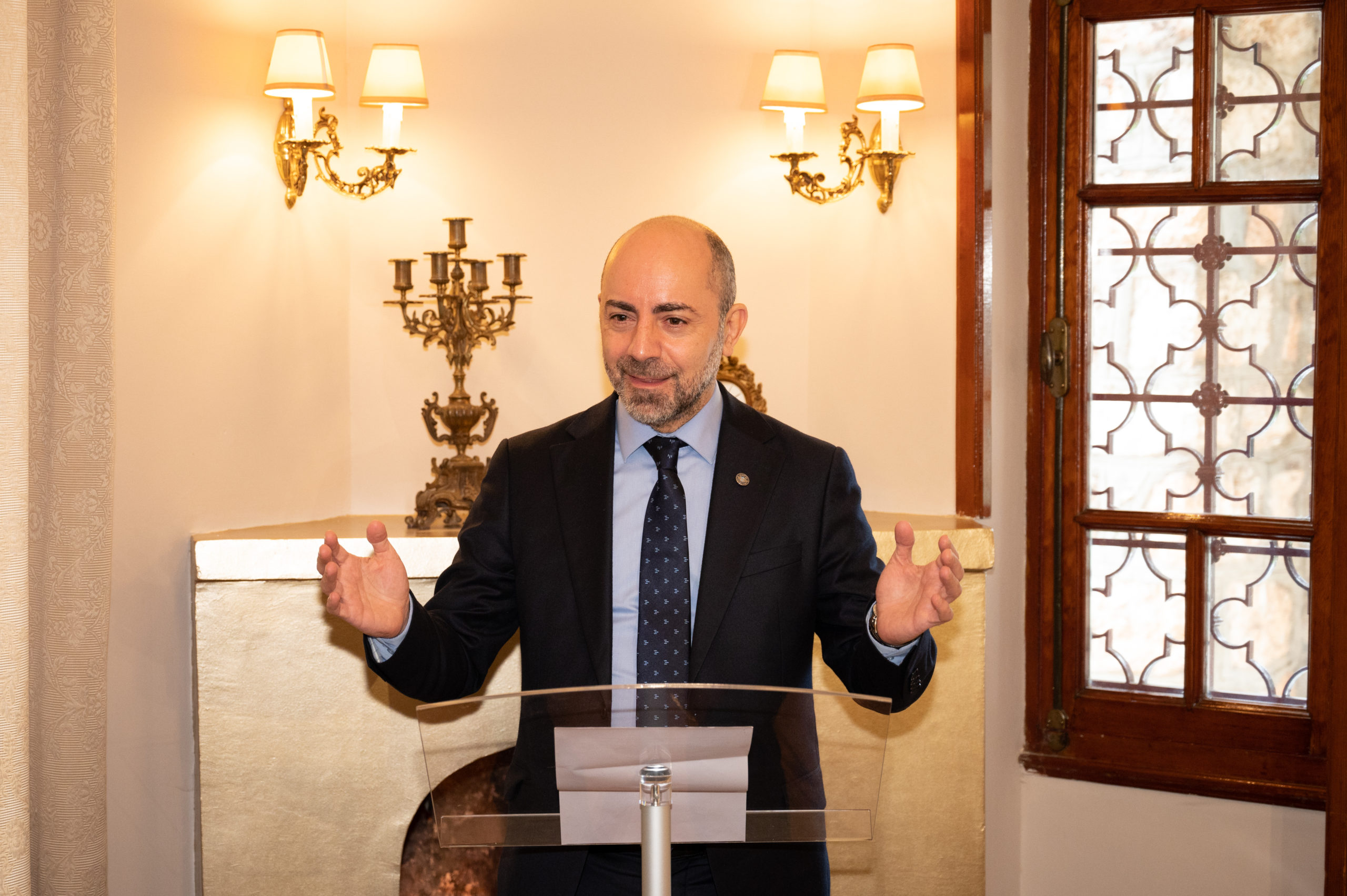
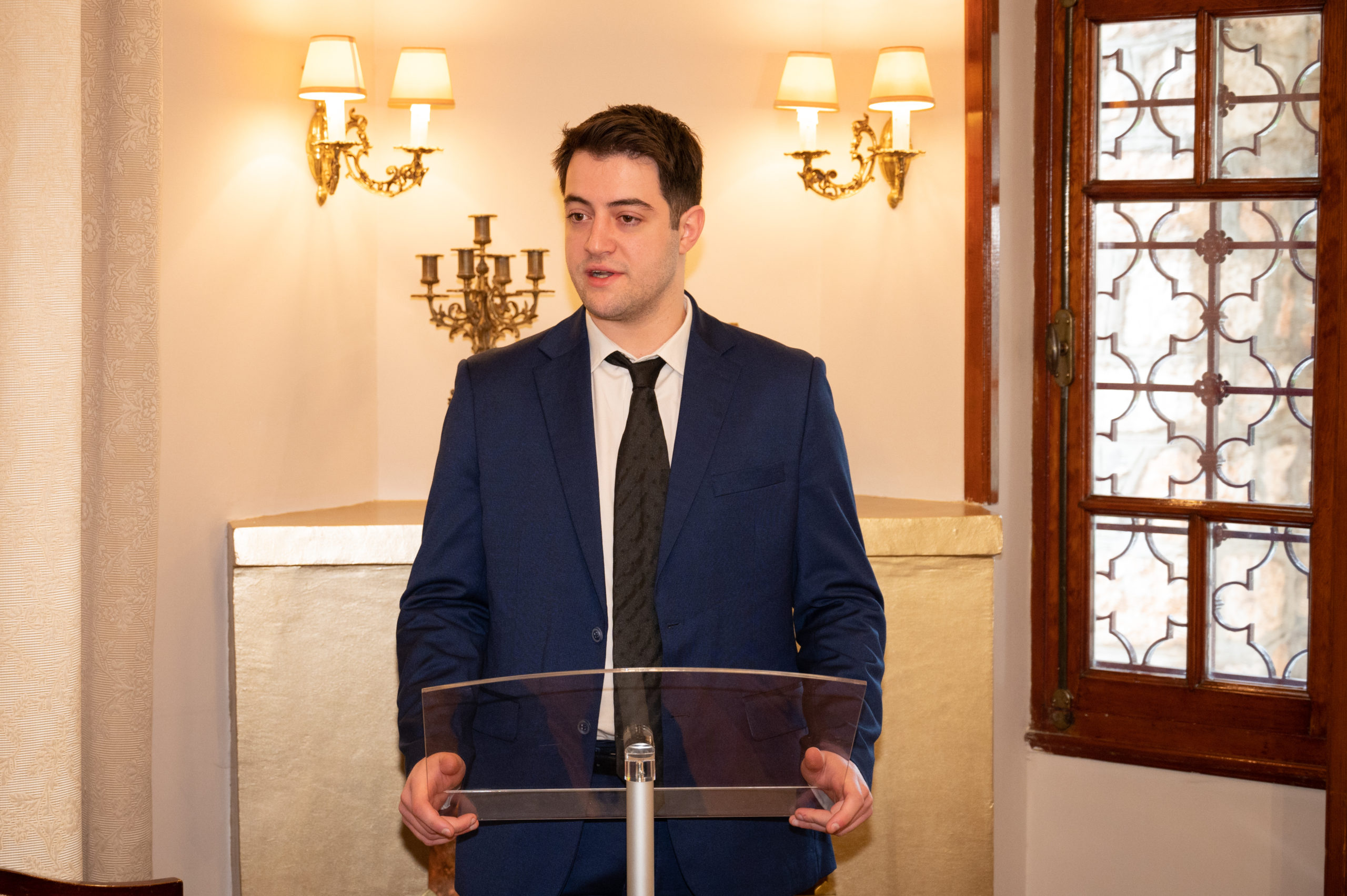
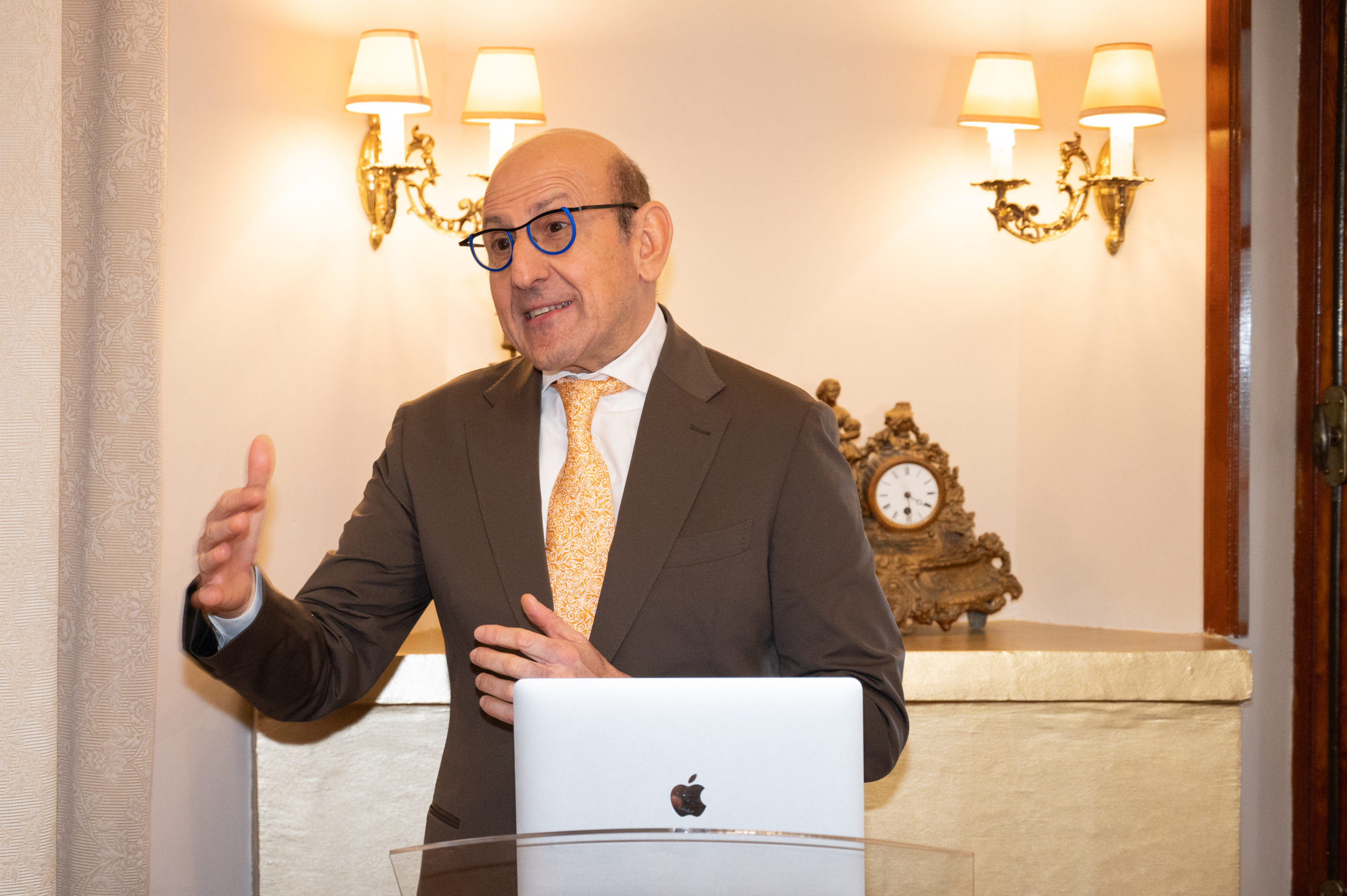
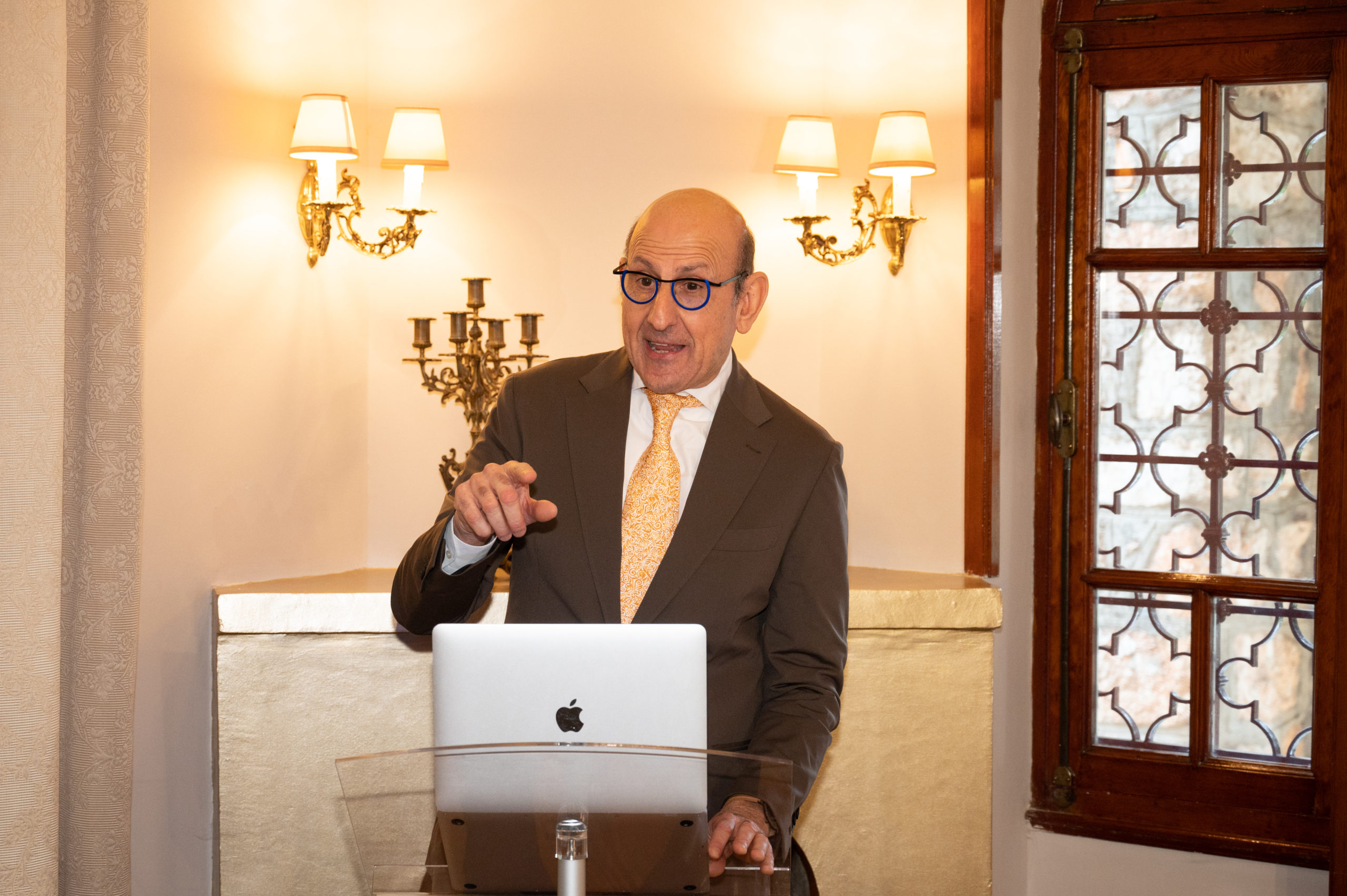
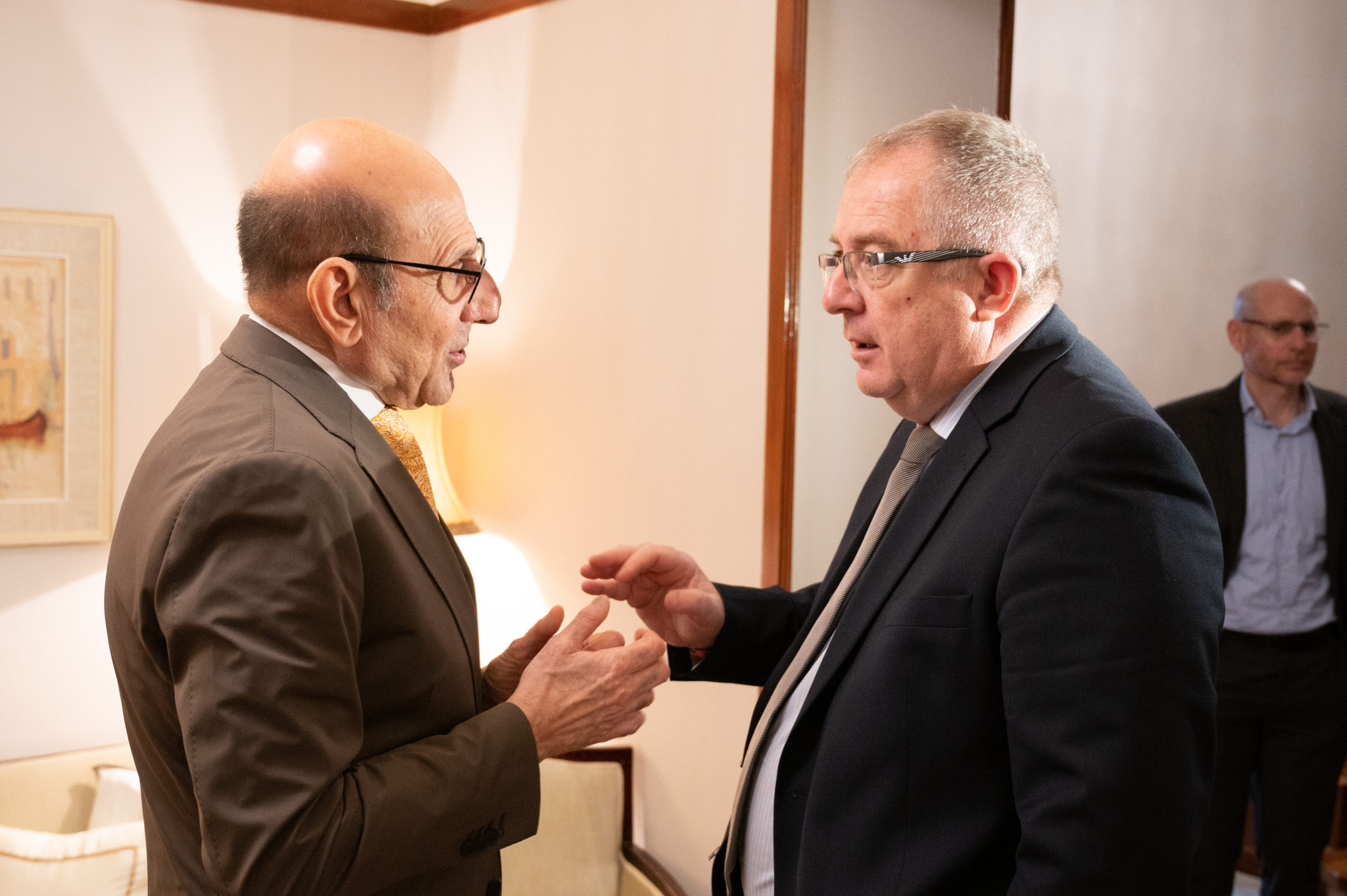









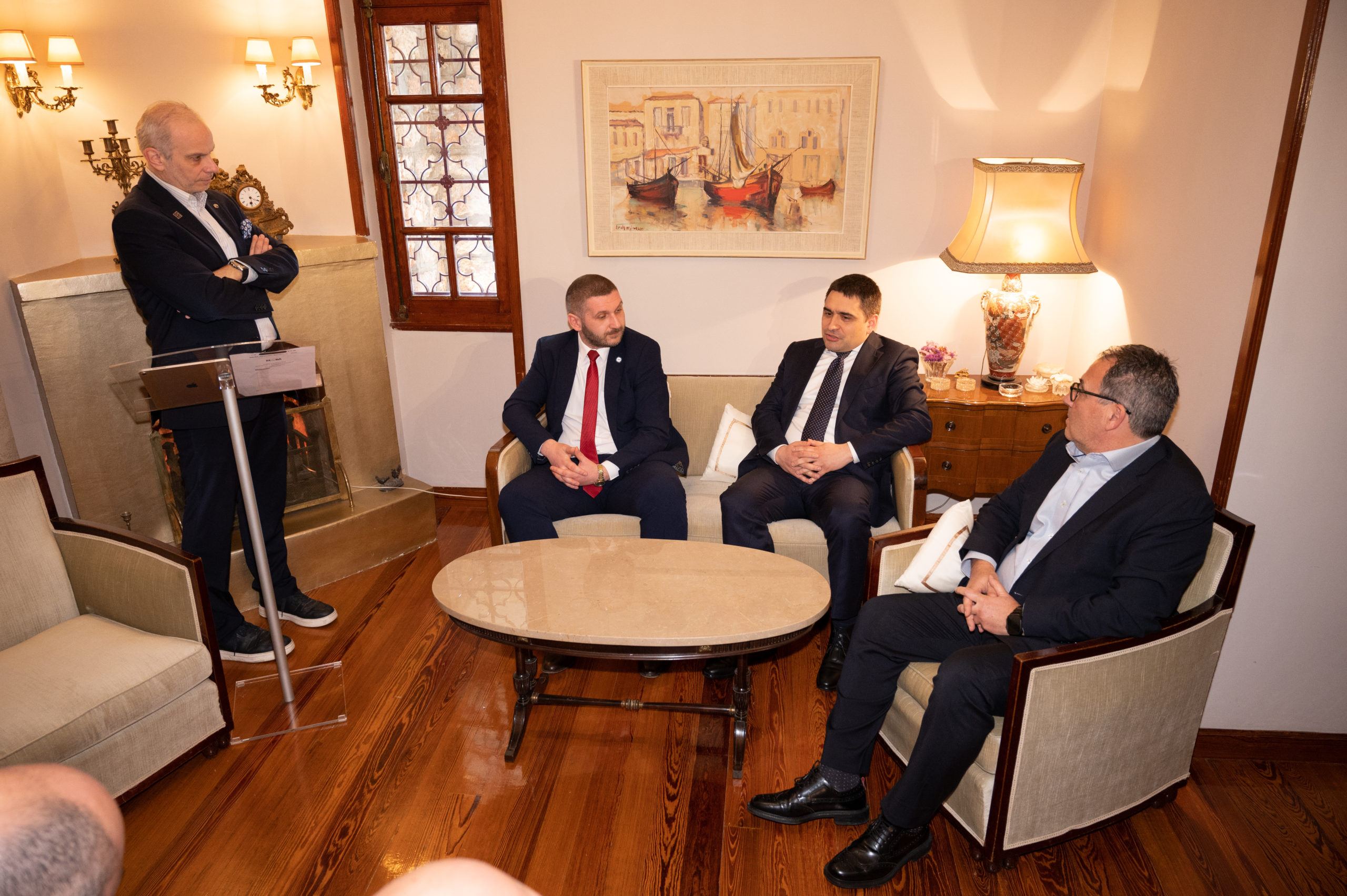

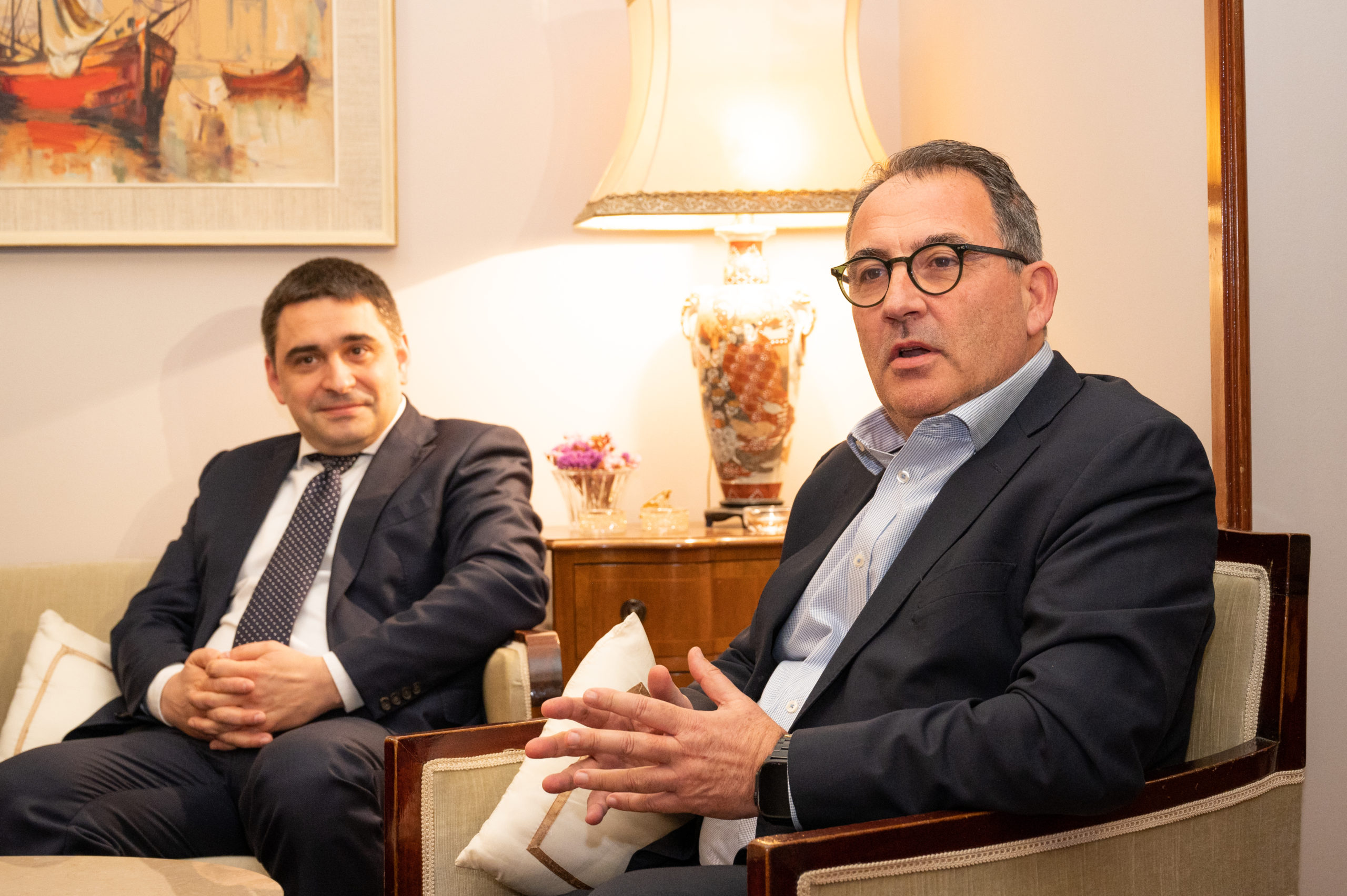
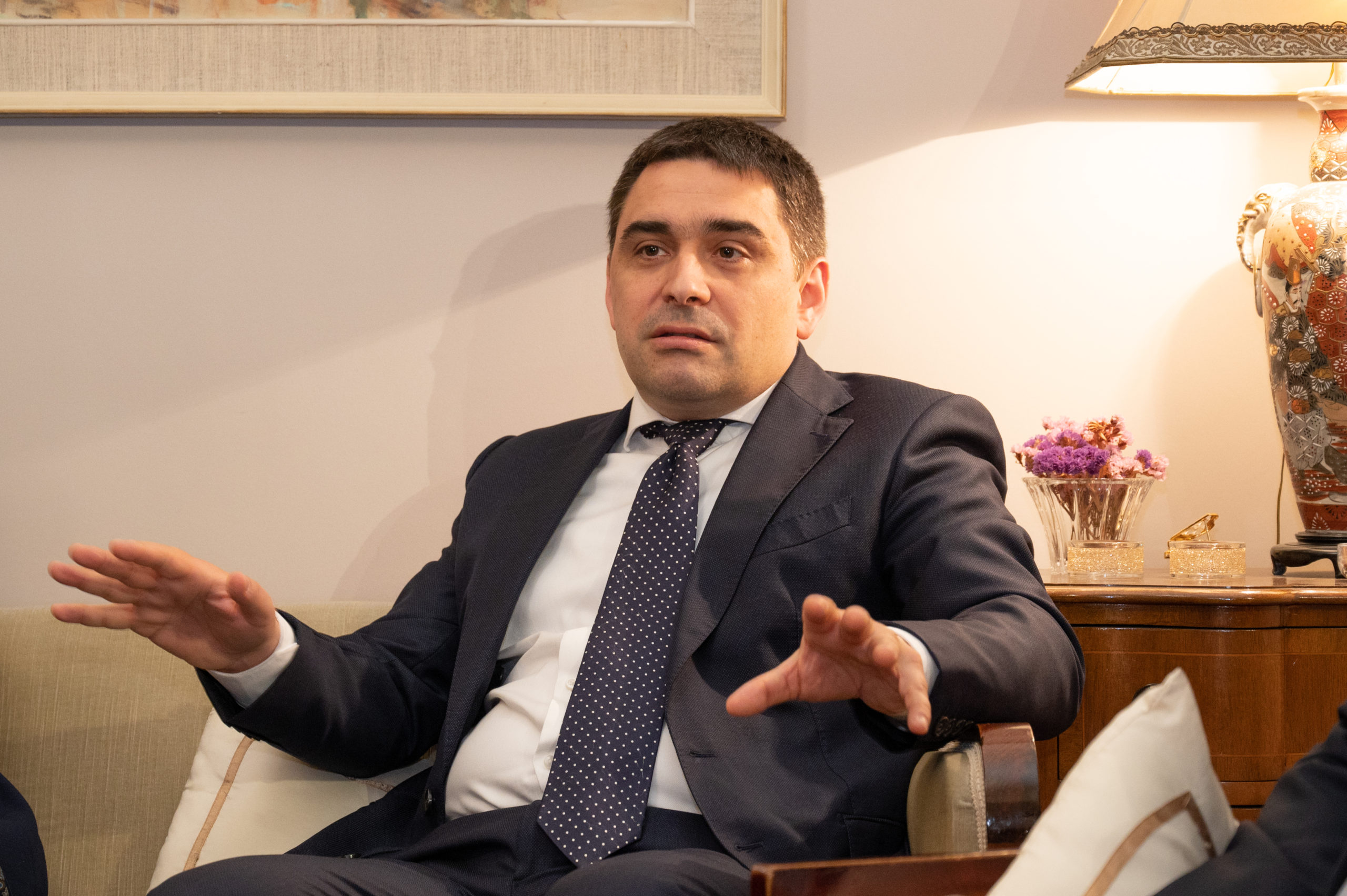

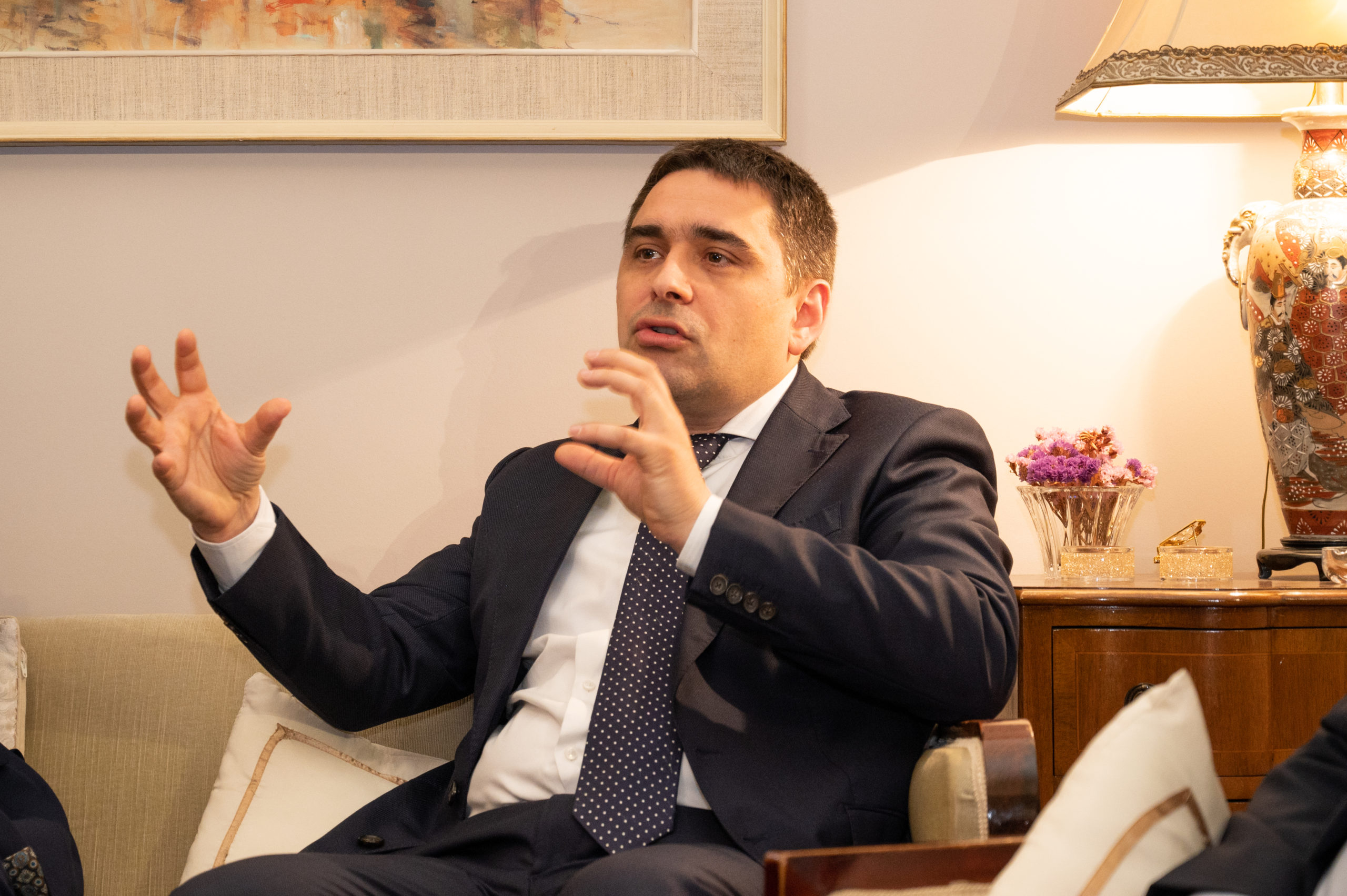
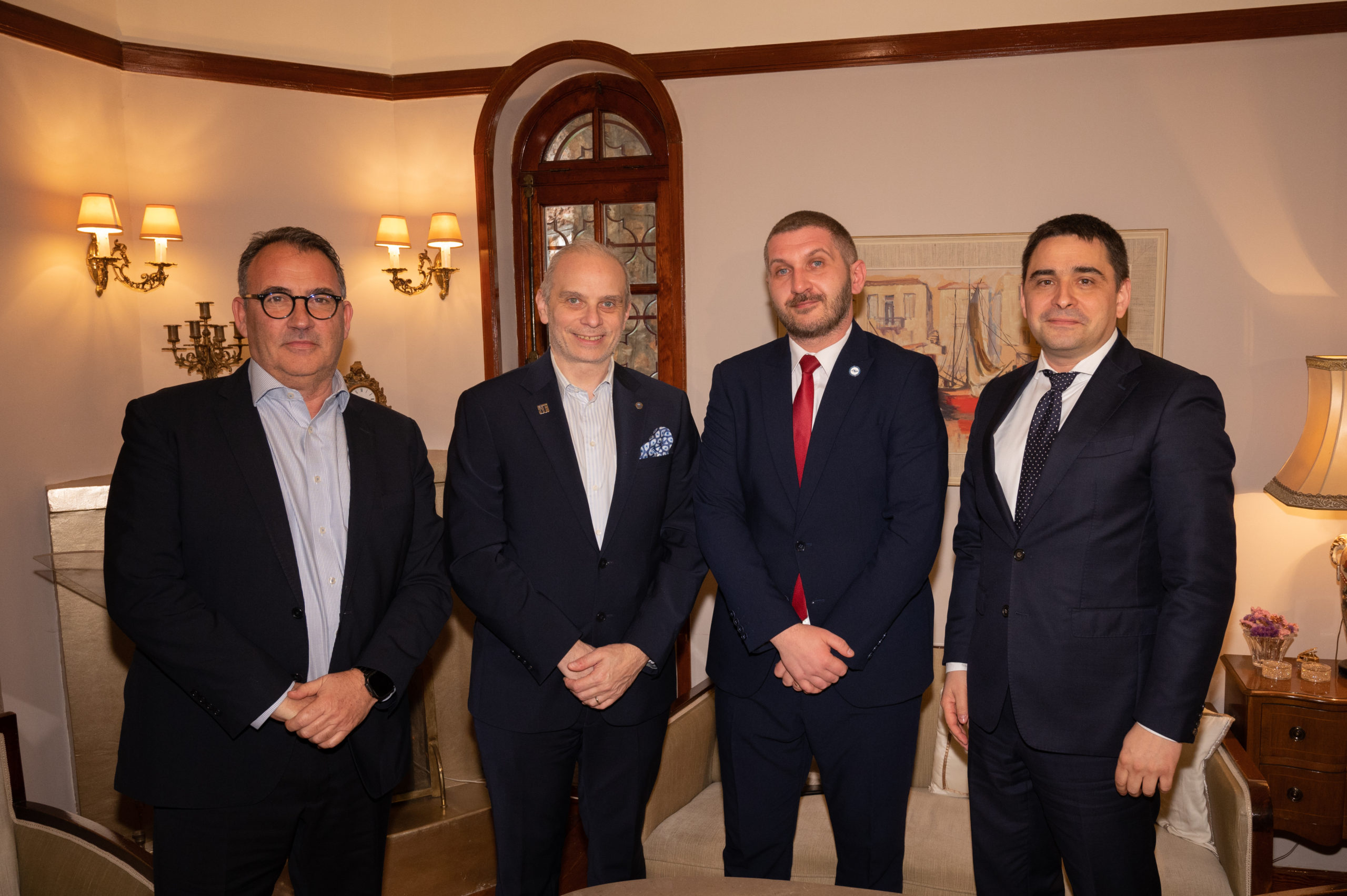


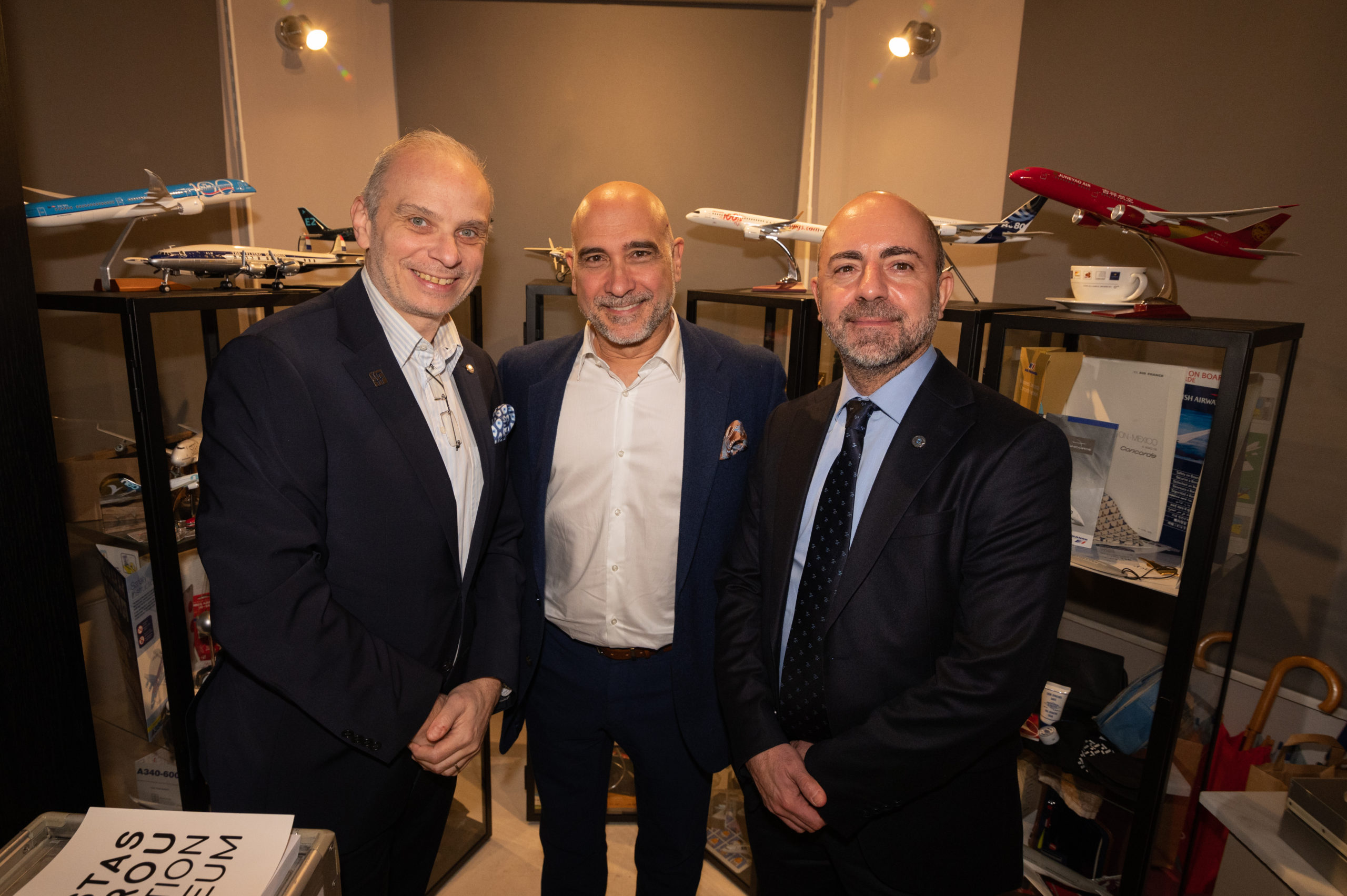
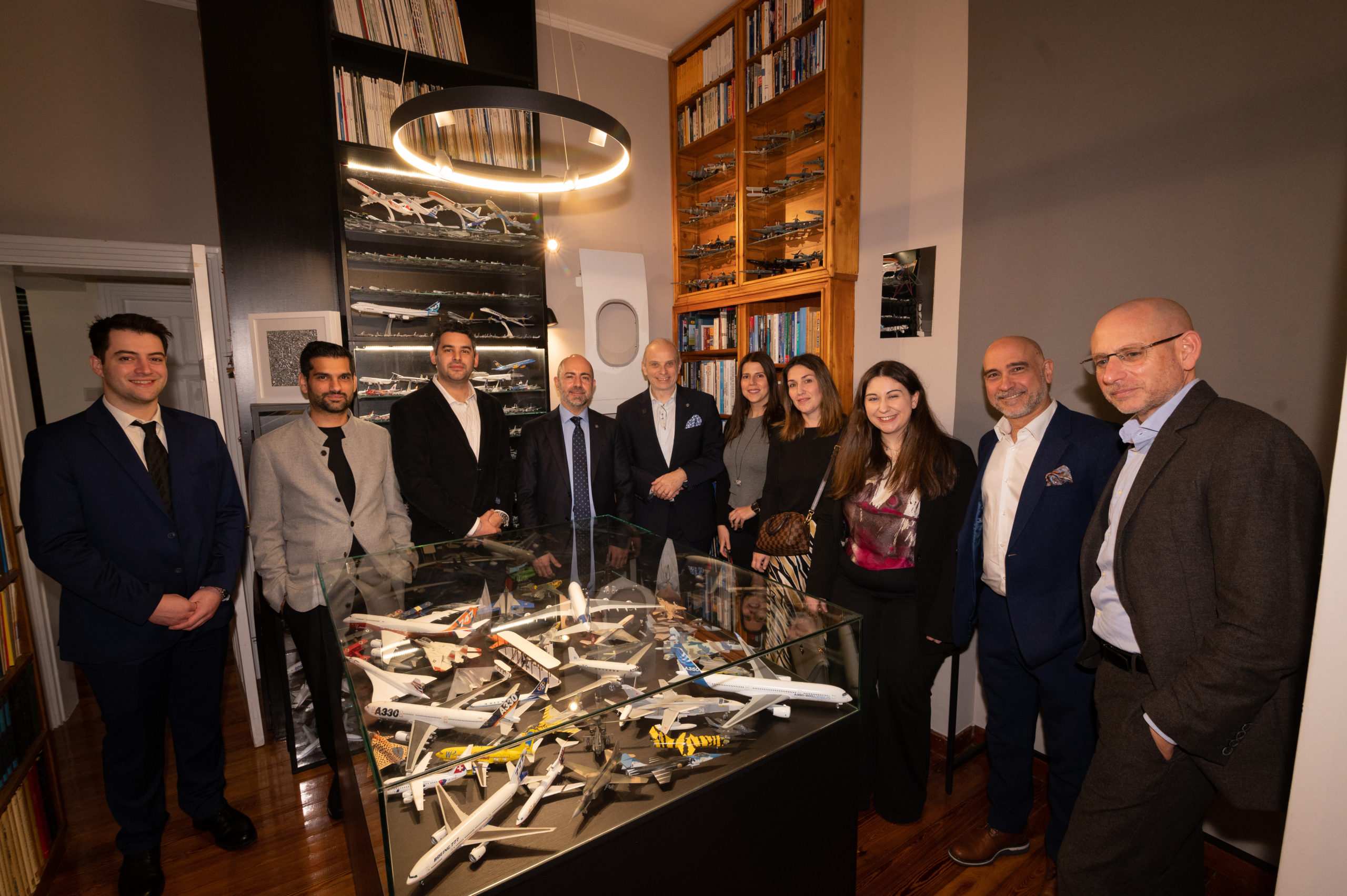
The 2nd Digi Aviation Discussion Forum took place on 17 February 2026 in Ekali Greece where thought leaders, regulators, academia, industry experts, and technology innovators came together to discuss cutting-edge technology-driven deployable solutions that can help the aviation sector address these critical issues. An innovative element of the forum was that it was attended by students the newly established he MBA in Air Transport Management (MATBA) created by the University of the Aegean and the Democritus University of Thrace, with strategic partners Athens International Airport and the international Non-Governmental Organization Hermes – Air Transport Organisation based in Montreal, Canada.
Dr Christos Tsitouras, Governor, HCAA in his welcome address pointed out that the combination of regulatory clarity with operational expertise and technological innovation can build aresilient passenger centric and sustainable aviation ecosystem. Real time data, smart infrastructure and trusted digital identity such as digital identity wallets can help the industry deliver safer flights, smoother journeys, greater efficiencies and sustainable navigation that will reduce delays, fuel burn and emissions.
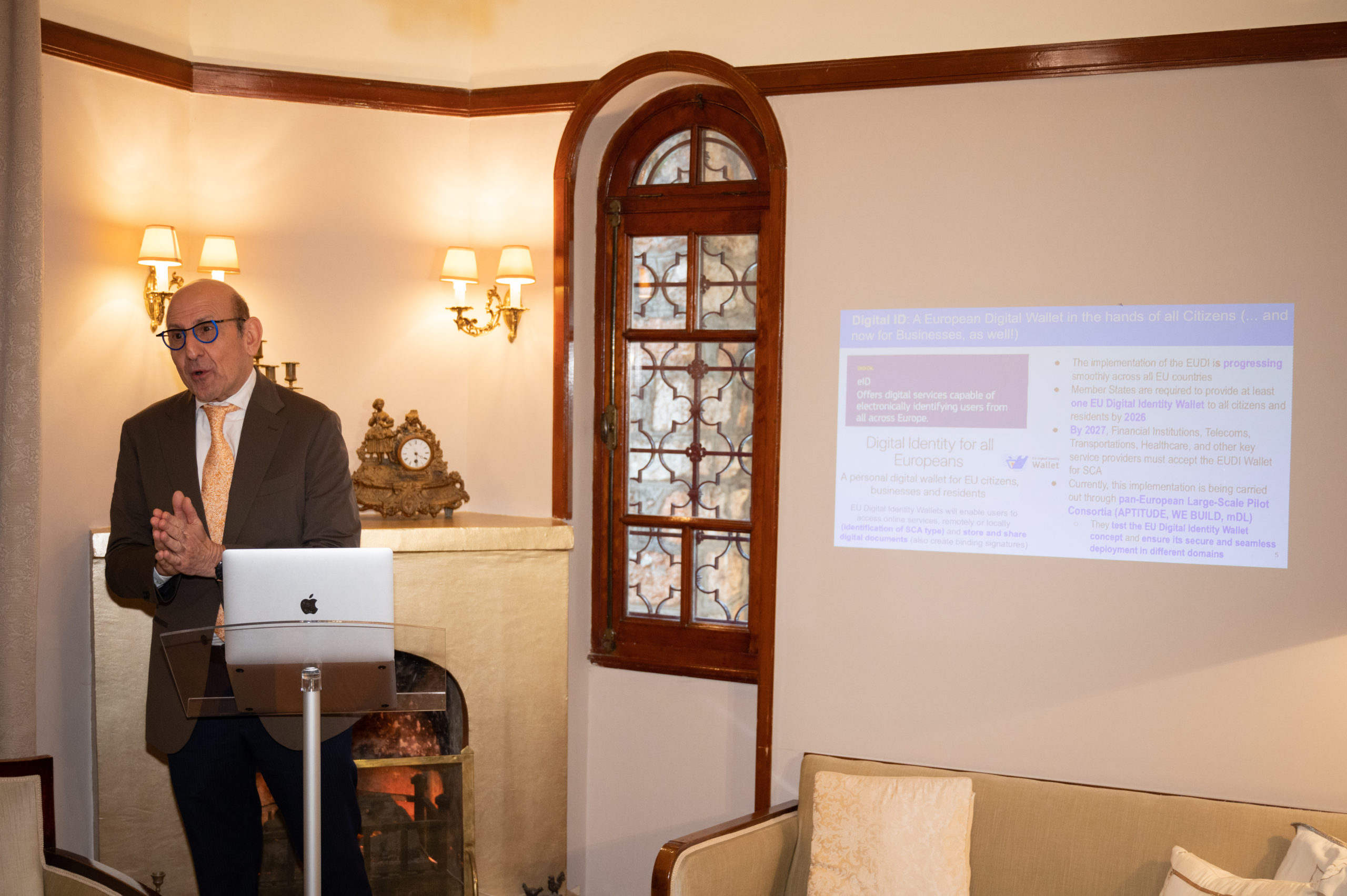
Petros Kavassalis, Associate Professor and Director of UAegean i4m Lab (School of Engineering) in his keynote presentation described the EU digitalization efforts which promise a complete transformation of the structure of the whole aviation ecocystem. EU digitalization evolves around two emerging technologies, digital identity and biometrics, which will help passengers to go faster and “frictionlessly” through airport processes and at the same time the airport to become more efficient by cutting costs and increasing efficiency using the available airport space. For IATA, it is as “digitalization of admissibility”, when passengers come to the airport, and “contactless travel”, when passengers go through the airport. Europe is very sensitive on privacy issues and has combined several technologies by introducing “trust tech” to respect passenger privacy. In Europe this contactless/touchless approach has taken the form of the EUDI wallet digital identity using the perspective of biometrics one-to-one with no central storage: all data, documents and credentials, are cryptographically stored in the mobile phones under the sole control of the user. Europe is working on the legal, implementation, deployment and coordination level, to include all industries. The EUDI does not only provide travel credentials that allow smart check-in and airport and airline verification but has the possibility to store any kind of documents, university diplomas, travel licenses. By 2026 all European countries will be able to provide it to their citizens generalized strong citizen/customer identification, interoperable across frontiers, domains and businesses. By 2027 the transportation industry, the health industry, the banking system should adopt this wallet and allow customers access to their services and systems. He also clarified that it is the operator and service provider that carries the cost of digitalization.
The first panel discussion entitled “Digi and customer experience” was moderated by Dr Kostas Iatrou, Director General, Hermes Air Transport Organisation with participants being Theodore Koumelis, Co-Founder & Managing Director, TravelDailyNews, Petros Kavassalis, and Barış Fındık, CTO, Pegasus Airlines. It was stated that “AI” and “agentic transformation” are the hype terms; digitalization is not “sexy” anymore. There have greater expectations that digitalization and AI will deliver but the industry has yet to see return on its investment: In practice things have not changed a lot but in concept a lot and different things are being discussed. AI is expensive to buy, and the related utilization, education and implementation is both expensive and time-consuming, while for the user is not expensive: with a few dollars/euros it has access to enormous amount of information and consulting services. No one though questioned that brands and companies have to foresee future developments, plan accordingly and position themselves strongly by making the right choices: technology investments will go on but more selectively as companies will calculate cost and prioritize meaningful technology investments. AI, “the new species”, even if it starts slow with high cost and low performance, “the S curve” it will grow exponentially from GTP guided transactions and agentic e-commerce to users/citizens interfacing with only one application to do all transactions.
One of the impressive AI applications mentioned was the one where AI uses the voice of the captain to make announcements tailored to the local language of the destination to enhance passenger comfort. It was pointed out despite the increase in the use of AI technology in hospitality and tourism, the field remains a people’s industry offered from people to people. Technology can facilitate the process but cannot take the place of people, it just gives more time to people to handle people, it helps and supports customer service. Airports and airlines remain disconnected especially on how technologies deal with the problems flight delays, cancellations. AI tools should focus more on solving problems of the travellers and less on their buying attitude, on making them better consumers.
The major weakness of the system is its reliance on power needs, whether electricity or battery. If identity, medical records, banking information are stored on the mobile phone what happens when infrastructure fails as it happened in Spain and Portugal in the summer of 2025. The systems are currently “complex yet fragile” and their engineering is weak to defend itself, the challenge is how to make technical systems resilient.
Another interesting point raised was that Europe was so far consumed technologies created elsewhere, the “trust tech” technologies, a collaboration of European industry and academia and their insistence on the privacy friendly technology can be an export success for Europe, a soft power asset. It’s a challenge for Europe to develop its proper AI industry, there is only one AI industry in Europe, a French one and is one year behind the US and China. Technology independence of Europe is the keystone for strategic independence, for becoming really international and playing a role in the geopolitical landscape.
The second panel “Digi and Operations” hosted Dan Nicorescu, Operational Director, Cluj International Airport, Ioan Drăgan, Founder, ARGONIAN and Angelos Astrinidis, CEO, aviBright and was again moderated by Dr. Kostas Iatrou. A theme discussed was drones, their surveillance, detection and counter measures. Drones are used in the military for war and surveillance but also by civilians for leisure to film weddings. But a large number of civilian drones are needed to support one military drone and a Chinese company, DJI, produces the overwhelming majority of civilian drones.
Investment in anti-drone systems is critical for infrastructures such as airports that need to build a dome, a virtual protective system with detection service system of sensors around the parameter and the proximity of the tower approach area to identify UAS. Such systems need to share ANSP traffic information, traffic approvals, traffic tracking even notams to make a risk analysis.
The field of drones remains to a large extent unregulated. National authorities need data to understand the behavior of drones so as to come up with policies. Many of the drones are flying illegally whether from hobbyists that do not care or are uneducated about regulations or security threat or illicit delivery users. Counter measures such as jamming by whom and where are difficult to apply since jamming can affect a whole area and vital communications. Drones can easily overcome the self- restrictions and full detection is not possible yet as proven by many drone incidents in Europe forcing the Danish government implemented a strict ban on all civilian drone flights during a major European summit in Copenhagen in September 2025 to prevent confusion between civilian and hostile drones. Drone detection is complex and expensive: radio frequencies are used to detect and identify the location of the pilot of the drone, but such detection needs agreements with the radio frequency authorities. There are undetectable “dark drones” which switch from electronic communication to fiber optics so as not to have electromagnetic signature.
As far the operation of airports is concerned software solutions develop technologies to optimize processes and enhance customer experience from back office operations like disruption, management of cancelation or delays of flights and communication with passengers to matching a lost bag to the passenger as fast as possible. Airports need cost efficient software for the integration of information for reporting in real time to enable immediate action. For them it is just a question of interoperability of information or digitalization but of actionable intelligence. A challenge such systems face is who has approval to use the system sensitive data, who has access to which data to issue, validate verify. Another challenge is the human factor technology is moving very fast but humans need time to adapt. AI will not replace capacity of decision.
All panelists agreed that strong alignment between governments, authorities, airport operators, airlines, developers and input from the end users, the passengers, is instrumental while at the same time admitting that this is not easy and needs time especially in emerging subjects. Technology, society economy evolves fast organizations maybe left behind; therefore, communication and intense collaboration is vital for the field working at a global level, but this collaboration needs openness in the collaboration, They suggested to start projects at a smaller scale, small explorations, by generative AI “sandboxes”, to mitigate the risk for safety and security but let innovations. This will help the understanding from the part of regulators who have a huge responsibility when legislating.